
For more advice on employment laws and rights surrounding major events, contact our Employment team on 01332 226 155 or fill in the form below.

As we approach the much-anticipated FIFA World Cup 2022, taking place in Qatar between 20 November and 18 December, employers may now be considering granting some flexibility to their employees, as the time difference will result in many matches falling within working hours in the UK.
27 October 2022
Insight
Employers may decide to be flexible regarding start/finish times or amending shift patterns to allow those who wish to watch World Cup matches to do so.
Aside from adjusting work hours, here are some other considerations:
Annual leave – Employers may wish to be more flexible allowing annual leave during the World Cup, this should be done on a fair and consistent basis ensuring employees uninterested in the tournament do not detrimentally suffer. This approach should also apply for leave requests for other major sporting events and periods of high demand such as summer and Christmas holidays too.
Sickness absence – Employers should monitor level of absences in accordance with their attendance policy. Any unauthorised absences could result in disciplinary action.
Flexibility – Many employees will undoubtedly want to watch the World Cup, therefore employers considering flexibility may wish to allow employees to amend their working hours or agree to make up the time in the future. Any change in working hours should be agreed before the event. Some employers may opt for allowing radios or TVs showing the match in a communal area, or allow employees to take breaks during match times. Employers should be fair and consistent with all employees if considering increased flexibility during the World Cup. If an employer has recently declined a request for permanent flexible working, it may well cause friction to permit increased flexibility even on a temporary basis to other members of staff.
Use of social media and relevant websites – There may be an increase in employees accessing social media and websites covering the Word Cup. Employers should communicate a clear policy on web use in the workplace to all employees. Those employers who are monitoring usage should be aware the law requires them to make it clear that monitoring is in place and applies to all employees.
Although most employers will already have a policy restricting personal use of internet during working hours, employers may want to reiterate their position on watching games whilst at work, whether on the employer’s computer or an employee’s own device. If you do not have an internet usage policy in place, then now is the time to introduce one.
Employers may wish to remind staff of the importance of respectful comments on social media during the World Cup, particularly if any social media profile highlights the employee’s connection to the organisation.
Drinking or being under the influence at work – It is important to remember that anyone caught drinking at work or under the influence of alcohol in the workplace could be subject to disciplinary proceedings. If you have a drugs and alcohol policy within the workplace this may be good a time to remind your employees of this.
In conclusion, employers are under no obligation to allow staff to watch World Cup matches. However, it would be wise for all employers to communicate a clear and fair policy that tackles your need to run your business, keeping in line with your employees’ desires to keep up-to-date with the tournament.
Related Services

Understand employer rights when employees have second jobs, including contracts, working time, conflicts of interest and dismissal.
Read More
Download our probationary period resource pack to help prepare for the Employment Rights Act changes from January 2027.
Read More
Download expert guidance on UK trade union reforms and prepare your organisation for Employment Rights Act changes.
Read More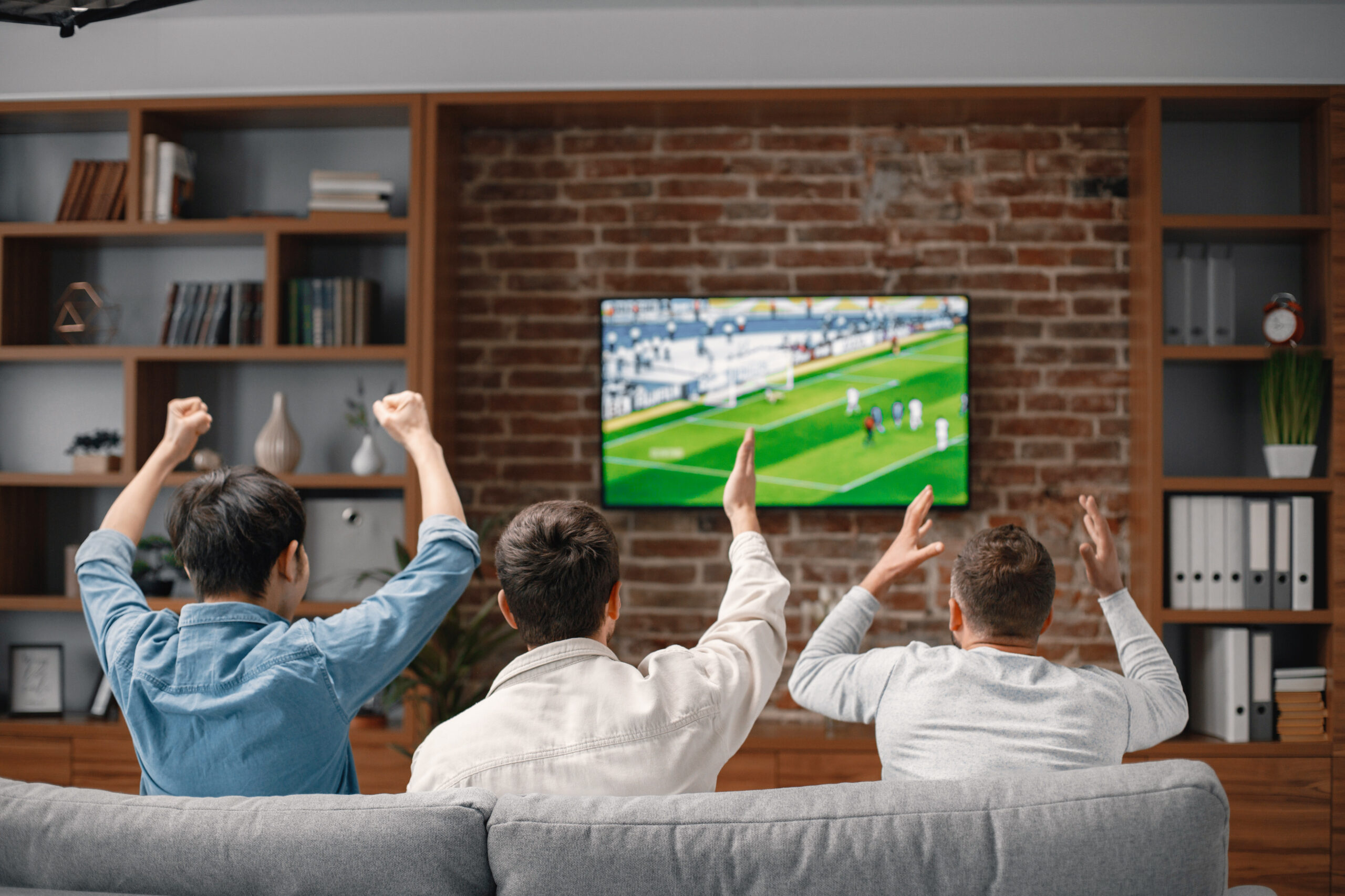
Employment law tips for employers managing absence, flexibility and inclusion during the 2026 FIFA World Cup.
Read More
Guidance for employers on managing workplace distraction, excessive phone use and digital overload at work.
Read More
Key April 2026 changes to trade union recognition rules and what employers should do ahead of wider reforms later this year.
Read More
Government consultation begins on NDA restrictions under the Employment Rights Act 2025, with changes expected from 2027.
Read More
Employers can voluntarily publish menopause and gender pay gap action plans from April 2026 ahead of the 2027 legal requirement.
Read More
Understand SSP 2026 updates, employer responsibilities, and common pitfalls to keep your business compliant and protect staff rights.
Read More
EAT confirms employers should assess redundancies forward-looking, not retrospectively, when deciding if collective consultation is needed.
Read More
Learn the 2026 National Minimum Wage rates, common employer pitfalls, and how to stay compliant with new Fair Work Agency rules.
Read More
ERA 2025 reforms take effect February 2026, changing industrial action rules, employee protections, and union obligations.
Read More