If you would like advice on how the proposed digital ID reforms may affect your business or licensed premises, call 01332 226 198 or complete the form below and our Licensing team will be in touch.

The Government is proposing changes to allow digital ID as proof of age for alcohol sales in England and Wales. Discover what the reforms mean for licensed premises, Challenge 21 and Challenge 25 policies, and how operators can prepare.
Licensing|14 July 2026
Insight
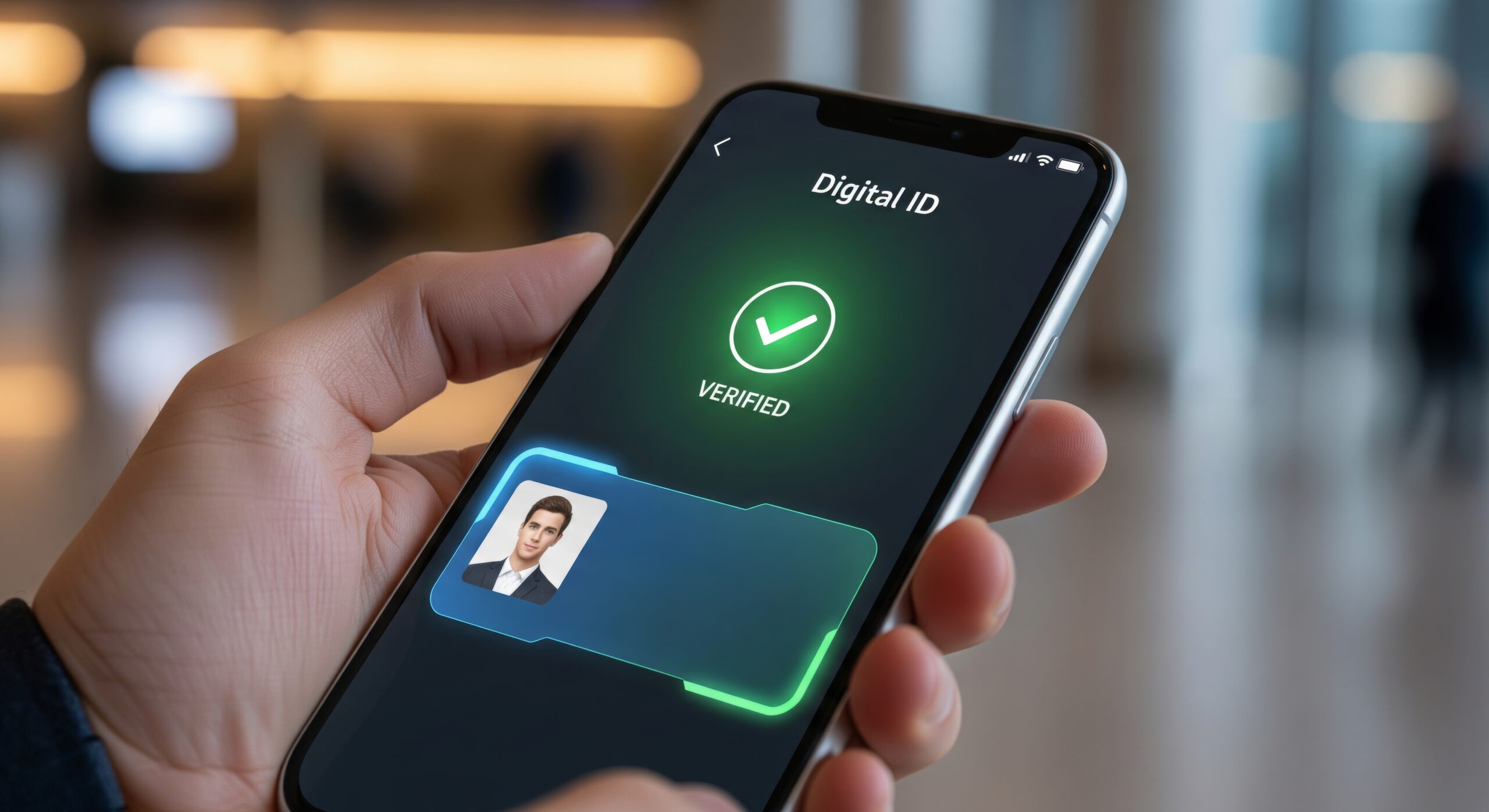
Digital proof of age for alcohol sales in England and Wales is a step closer, with the Government laying the Licensing Act 2003 (Mandatory Licensing Conditions) (Amendment) Order 2026 before Parliament. If approved, the changes will allow licensed premises to accept certified digital ID through approved digital verification services as proof of age when selling alcohol.
Subject to the parliamentary process, the changes are expected to come into force in autumn 2026, with October currently being discussed as the likely implementation date. Physical proof of age, such as passports and photocard driving licences, will remain valid. The key development is that compliant digital ID will finally have a route into the licensing regime as an additional option for age verification.
At present, mandatory licence conditions require operators to have an age verification policy in place, but the practical wording has been built around physical documents containing a photograph, date of birth and security feature. The proposed amendment would allow age checks to be carried out using a certified Digital Verification Service listed on the statutory GOV.UK register.
In short, this is not simply a customer showing something on a phone. The system must securely confirm that the customer meets the required age threshold and that the digital identity belongs to the person presenting it.
Digital ID will be optional. Premises will not be required to accept it, and customers will not be required to use it. However, for many hospitality, retail and event operators, it could become a valuable addition to existing Challenge 21 and Challenge 25 age verification procedures.
The attraction is clear: faster age checks, less reliance on customers carrying passports or driving licences, and a smoother customer experience. However, the compliance risk is equally important. Operators will need confidence that any digital verification system they use is certified, robust and properly understood by staff working under real trading conditions.
There is no need to rush into implementation, but licensed premises should start planning. In particular, operators should:
The proposed changes should be welcomed, but approached carefully. Digital age verification has the potential to improve the customer experience and reduce friction at the point of sale, but it will only protect operators if it is introduced through the right systems, supported by clear policies and embedded through effective staff training.
Further updates to the section 182 Guidance and Trading Standards guidance are expected in due course. Until then, operators should continue to follow their existing age verification procedures and treat digital ID as a future additional tool, rather than a current replacement for compliant proof of age.

The Government is consulting on new vape packaging and display rules that could affect retailers, wholesalers and manufacturers.
Read More
The Government's new music strategy includes proposals affecting festivals, live music venues and licensing across England.
Read More
Download our World Cup 2026 licensing guide with TEN deadlines and trading hour extensions for licensed premises.
Read More
Guidance for UK licensed premises on TENs and licensing extensions for FIFA World Cup 2026 late-night match screenings.
Read More
With fewer than 50 days to go until the FIFA Men’s World Cup 2026 kicks off, now is the time for licensed premises to…
Read More
The Tobacco and Vapes Bill seeks a 'smokefree generation', tighter vaping laws, expanded smokefree areas, and a retailer licensing scheme.
Read More
The UK Government’s 2025 VAWG strategy introduces licensing reforms for taxis, PHVs, and sexual entertainment venues to improve public safety.
Read More
Learn how Cumulative Impact Assessments affect pubs, bars and restaurants and what operators should do to stay compliant.
Read More
Low and no alcohol drinks are growing in popularity. Licensed venues must still understand ABV thresholds and age-verification rules.
Read More
Plan ahead for England’s FIFA World Cup 2026 matches and ensure your venue meets licensing requirements for serving alcohol.
Read More
The Government confirms changes to the Licensing Act 2003, allowing Digital Verification Services (DVS) for age verification.
Read More
Understand the Licensing Hours Extension Bill and how it affects pubs, bars, and licensed venues across the UK.
Read More