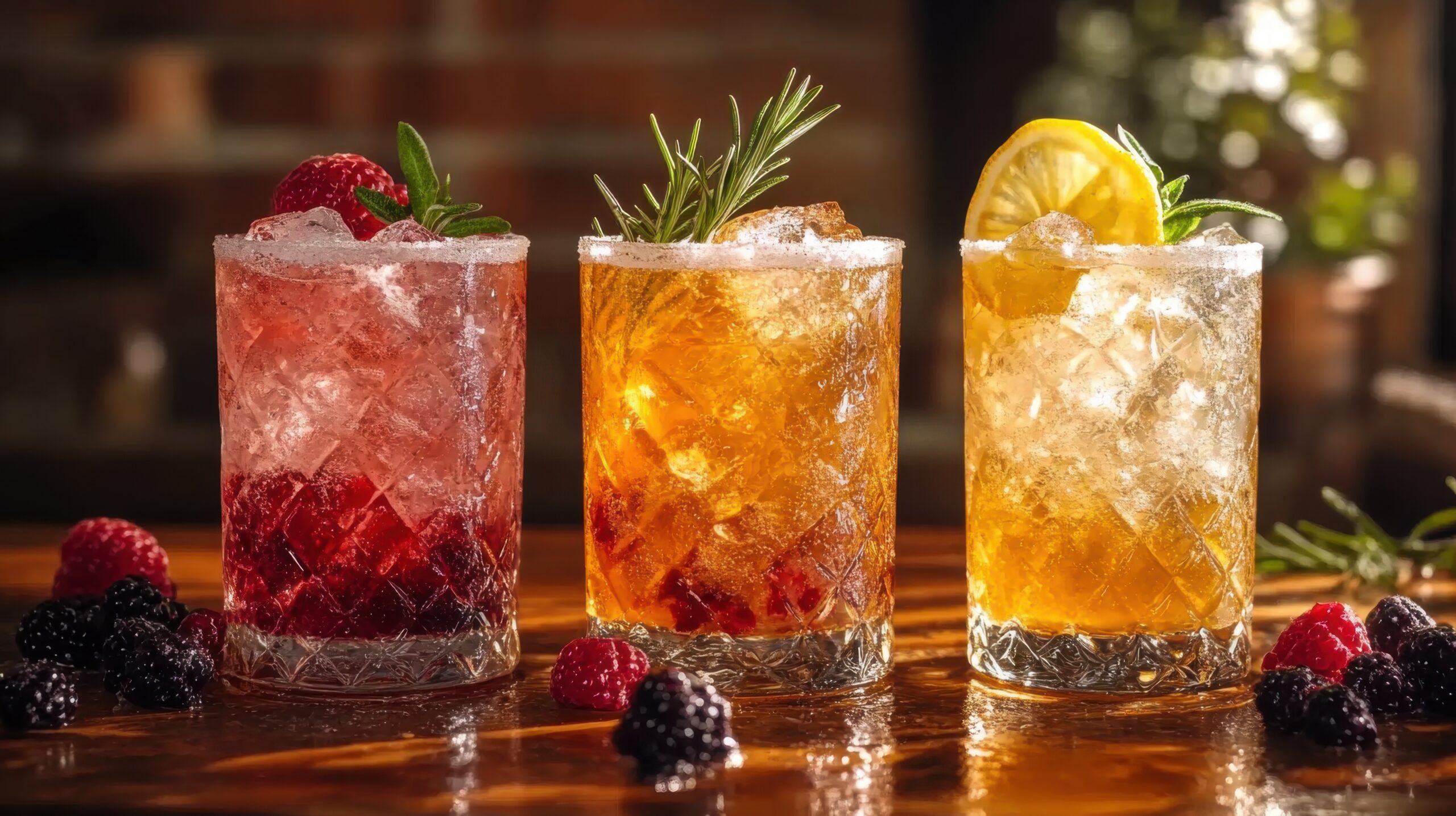
If you need guidance on selling low and no alcohol drinks, age verification, or licensing compliance, call 01332 226 198 or complete the form below and our team will be in touch.

Demand for low and no alcohol drinks continues to rise. Licensed venues should understand ABV limits, labelling risks and best practice for age checks.
03 February 2026|Licensing
Insight
Consumer demand for low and no alcohol (“NoLo”) drinks continues to grow, well beyond seasonal initiatives such as Dry January.
As a result, pubs, bars and other licensed venues are increasingly stocking these products year-round. While the legal definition of alcohol is clear, the practical steps needed to remain compliant when serving NoLo drinks are not always as straightforward.
Understanding where the legal threshold sits, and how products are labelled, is essential for avoiding inadvertent breaches of licensing law.
Under UK licensing law, a young person under the age of 18 may lawfully purchase a drink containing 0.5% ABV or less. Any product above this threshold is classed as alcohol for licensing purposes, regardless of how it is marketed or described.
This applies across the board, whether the product is beer, wine, cider, spirits or an alternative designed to replicate an alcoholic drink. Once a drink exceeds 0.5% ABV, it must be treated in the same way as any other alcoholic product, including age-verification requirements.
In practice, difficulties often arise from product labelling. Drinks described as “low alcohol” can legally contain up to 1.2% ABV, meaning they fall within the definition of alcohol despite branding that may suggest otherwise.
Packaging may prominently feature terms such as “low alcohol”, “NoLo” or alcohol-free branding, but this does not alter the legal position. If a product exceeds 0.5% ABV, it cannot be sold to under-18s, even if it appears to be a soft-drink alternative.
For venues with multiple staff members serving a wide range of products, this creates a real risk of accidental underage sales.
To manage this risk, many licensed premises choose to apply Challenge 25 to all drinks presented as low or no alcohol, other than standard soft drinks. This approach provides a consistent and cautious framework for staff and reduces reliance on individual product knowledge at the point of sale.
Applying Challenge 25 across NoLo products can help avoid confusion where packaging is unclear, ensure consistency in age-verification practices, and reduce the risk of a drink exceeding 0.5% ABV being sold without appropriate checks.
Given the expanding range of NoLo products now on the market, this uniform approach is often the most practical way of maintaining compliance.
While the legal definition of alcohol remains clear, the way products are marketed does not always make compliance straightforward. As consumer choice continues to expand, licensed venues should regularly review their product ranges, staff training and age-verification policies.
A consistent and cautious approach to NoLo drinks can help operators stay on the right side of licensing law, protect their premises licence, and avoid inadvertent sales of alcohol to under-18s.
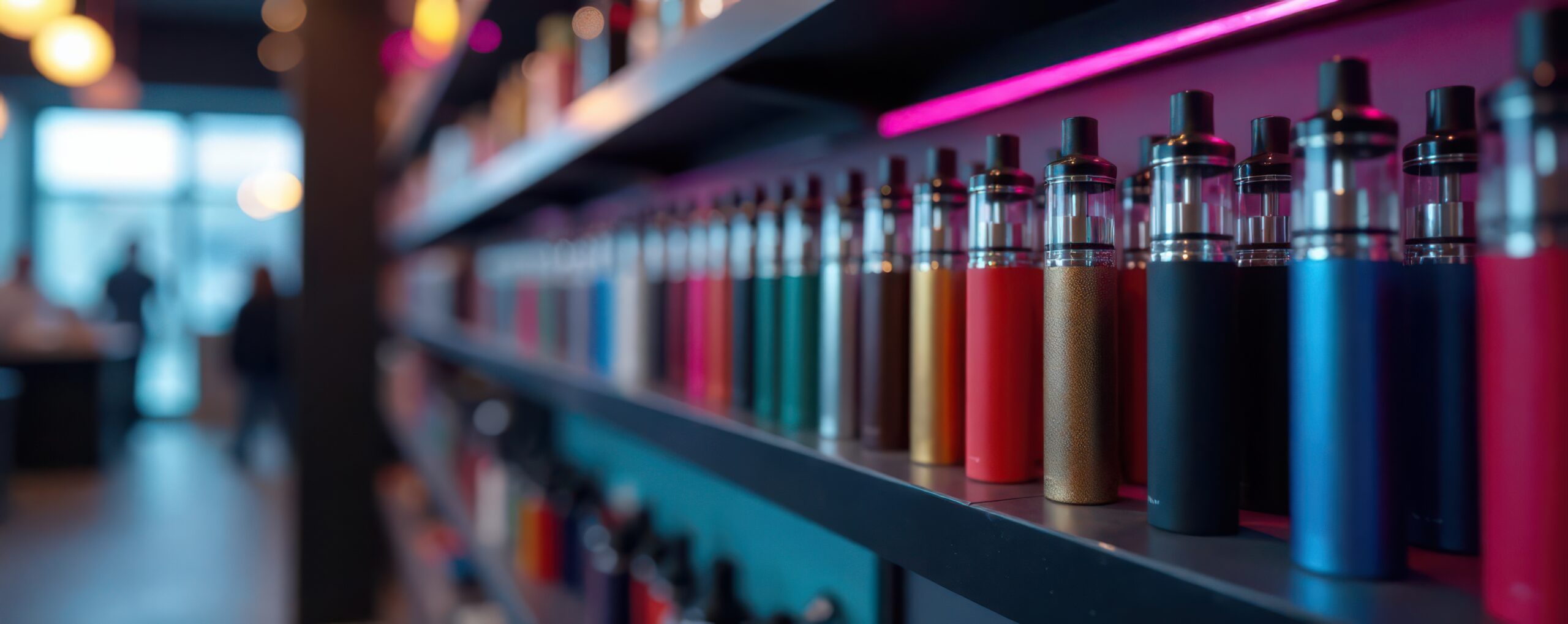
The Government is consulting on new vape packaging and display rules that could affect retailers, wholesalers and manufacturers.
Read More
The Government's new music strategy includes proposals affecting festivals, live music venues and licensing across England.
Read More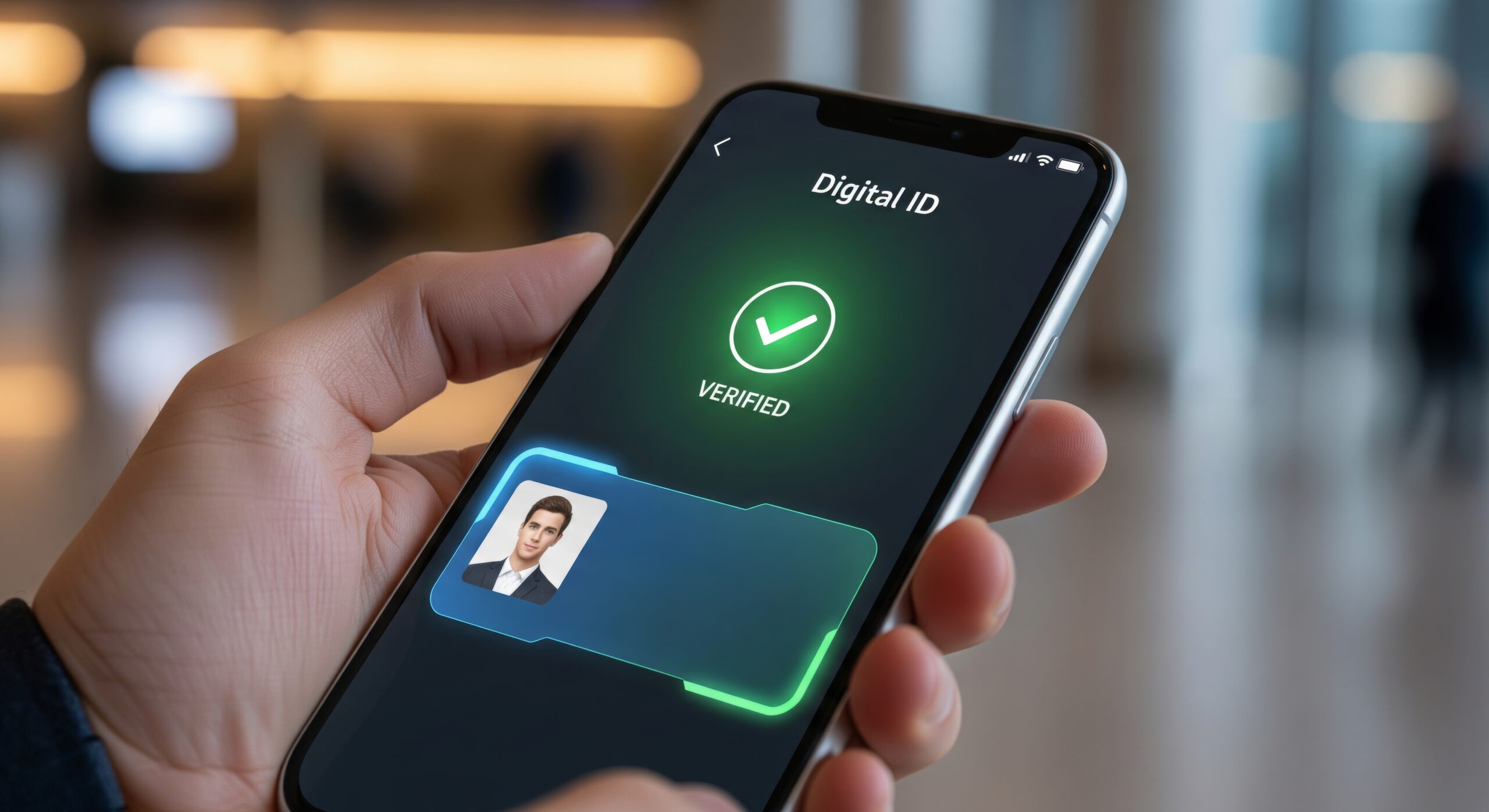
Digital ID for alcohol sales is set to become legal in England and Wales. Find out what the changes mean for licensed premises.
Read More
Download our World Cup 2026 licensing guide with TEN deadlines and trading hour extensions for licensed premises.
Read More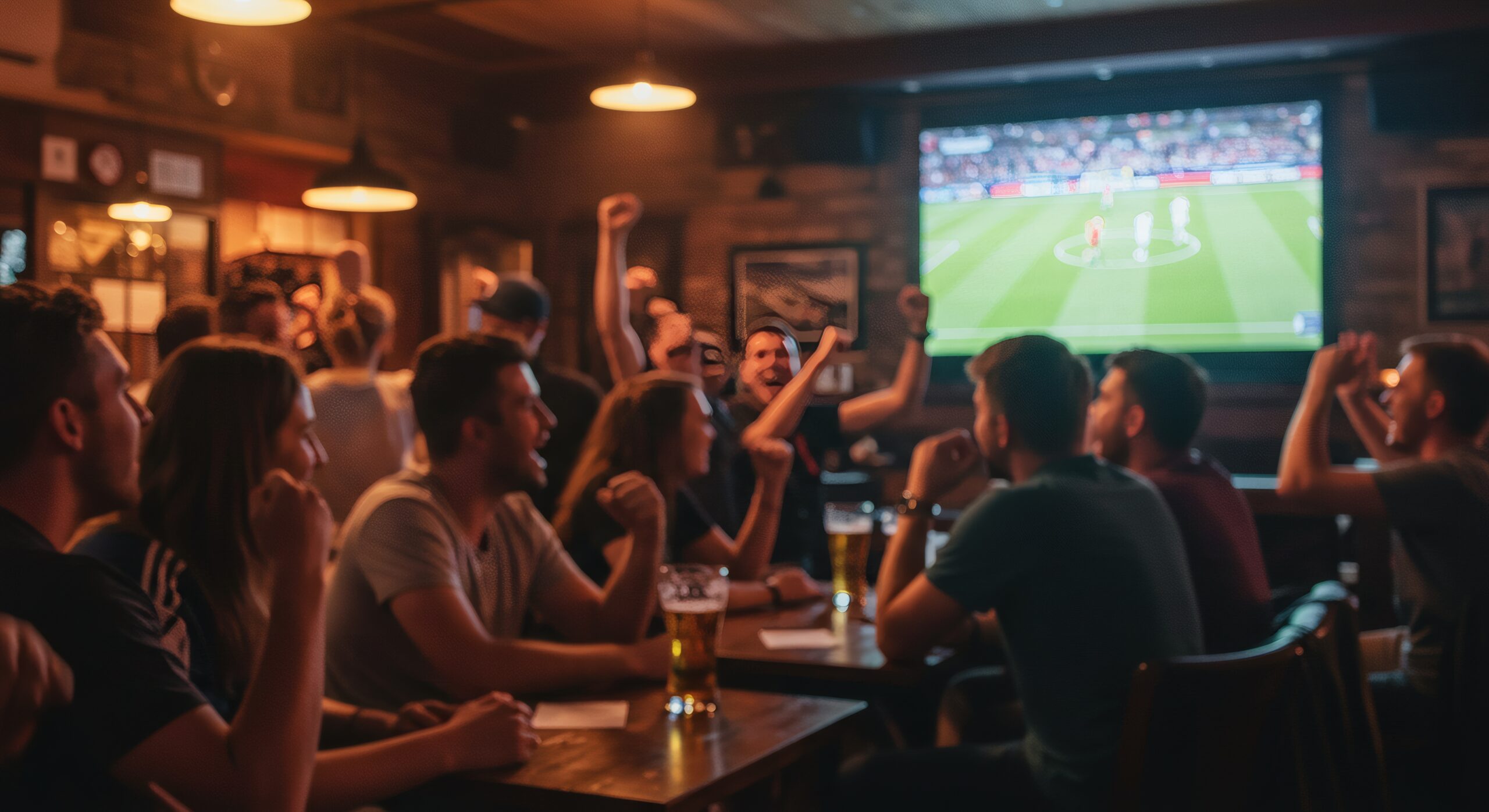
Guidance for UK licensed premises on TENs and licensing extensions for FIFA World Cup 2026 late-night match screenings.
Read More
With fewer than 50 days to go until the FIFA Men’s World Cup 2026 kicks off, now is the time for licensed premises to…
Read More
The Tobacco and Vapes Bill seeks a 'smokefree generation', tighter vaping laws, expanded smokefree areas, and a retailer licensing scheme.
Read More
The UK Government’s 2025 VAWG strategy introduces licensing reforms for taxis, PHVs, and sexual entertainment venues to improve public safety.
Read More
Learn how Cumulative Impact Assessments affect pubs, bars and restaurants and what operators should do to stay compliant.
Read More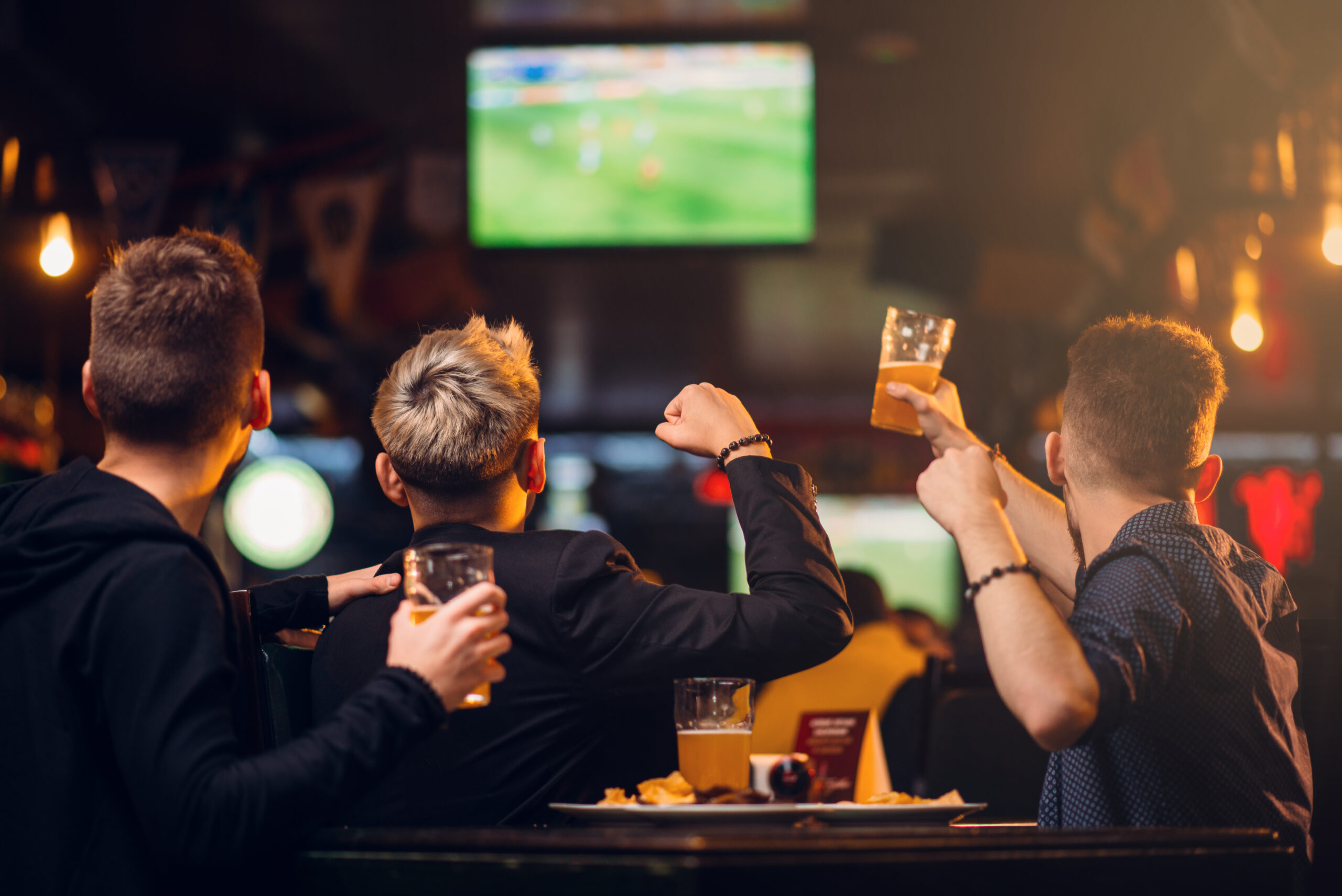
Plan ahead for England’s FIFA World Cup 2026 matches and ensure your venue meets licensing requirements for serving alcohol.
Read More
The Government confirms changes to the Licensing Act 2003, allowing Digital Verification Services (DVS) for age verification.
Read More
Understand the Licensing Hours Extension Bill and how it affects pubs, bars, and licensed venues across the UK.
Read More