If you require support with licensing strategy, TEN applications, or risk management planning for the World Cup, Flint Bishop’s licensing team is here to help.
Get in touch today to ensure your venue is ready to make the most of World Cup 2026.

With fewer than 50 days to go until the FIFA Men’s World Cup 2026 kicks off, now is the time for licensed premises to prepare.
Licensing|27 March 2026
Insight
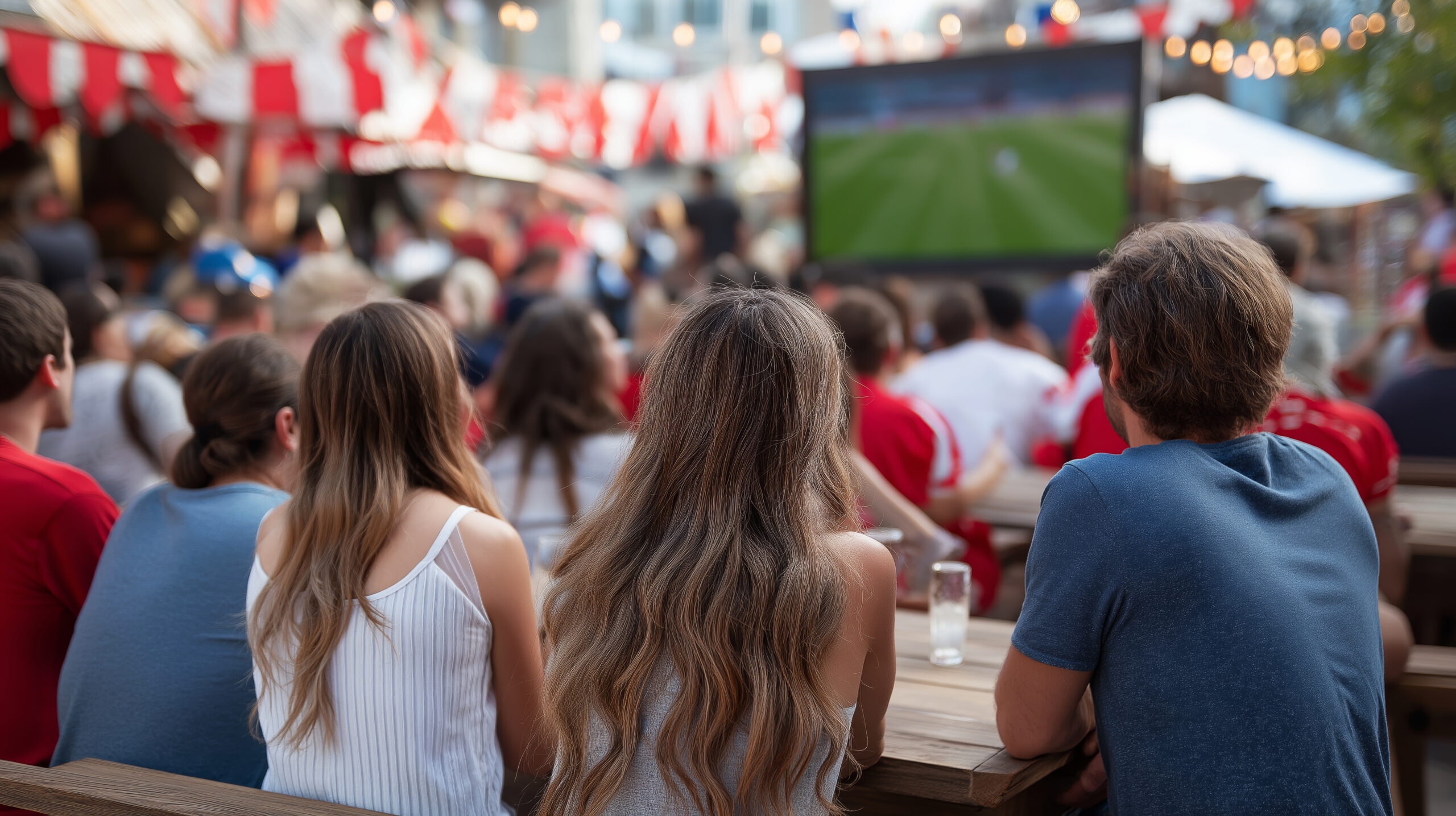
With matches being held across the USA, Mexico, and Canada, many games will be broadcast late at night in the UK. This raises important considerations for pubs, bars, and other venues planning to show the tournament. If you intend to screen World Cup matches, it is essential to act now to ensure full compliance with licensing requirements.
The Government has confirmed its intention to permit licensed premises in England and Wales to continue selling alcohol for on-sales for an extended period for England and Scotland matches during the latter stages of the tournament. However, the detailed scope of this proposed relaxation has not yet been published, and it should be noted that not all premises will automatically be permitted to trade beyond their current authorised hours. While this offers a valuable opportunity to maximise trade, it also introduces a number of operational and compliance considerations—particularly where kick-off times fall outside the scope of the national extension for the knockout rounds.
For matches involving England and Scotland, permitted licensing hours will be extended as follows:
These extensions apply to:
However, matches starting before 17:00 or after 22:00 are excluded, meaning venues will need to apply for TENs to remain open.
If no home nation is playing, the extension does not apply.
Group Stage Matches
These fixtures are relatively straightforward, but the 22:00 kick-off may require operators to consider TENs depending on their current licence.
The real challenge begins after the group stage. With England’s final group game on 27 June, there may be limited certainty around their finishing position until that point—making forward planning essential.
The Government’s proposed extension of licensing hours will apply to most knockout matches—but not all.
If England Win Group L
If England Finish Second
If England Finish Third
This uncertainty means operators should strongly consider submitting TENs in advance to cover all possible outcomes.
Scotland’s group stage fixtures present further challenges:
Venues in England and Wales will likely require TENs for these matches.
If Scotland:
TENs will play a crucial role in World Cup planning, but they are subject to strict limits:
Late TENs carry significant risk. If objections are raised by police or environmental health, they are automatically refused—without a hearing.
Best practice: avoid Late TENs wherever possible.
Early engagement with your local Police Licensing Officer is strongly recommended. This helps:
Operators should also conduct thorough risk assessments, particularly for late-night and early morning fixtures. Consider:
High-risk fixtures are likely to attract particular scrutiny, including:
The key message is simple: plan early and plan for every scenario.
With uncertainty around group standings and strict TEN limits in place, leaving applications too late could mean missed opportunities—or worse, non-compliance.
At least one TEN will be required regardless of where England finishes in the group.
To support operators, Flint Bishop has created a FREE downloadable World Cup 2026 Wall Chart.
This practical resource includes:
It’s designed as a simple, at-a-glance planning tool to help you stay compliant and fully prepared throughout the tournament.
Click the images below to download the PDFs.
 FIFA Men’s World Cup 2026 guidance note |
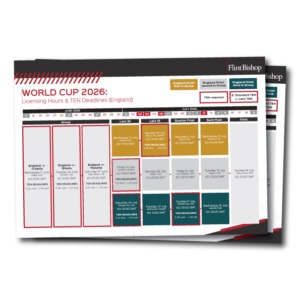 FIFA Men’s World Cup 2026 wallchart |
Need support navigating World Cup licensing requirements?
Visit the Flint Bishop Licensing team page, call 01332 340211 or email enquiries@flintbishop.co.uk to speak with a specialist.
The Government is consulting on new vape packaging and display rules that could affect retailers, wholesalers and manufacturers.
Read More
The Government's new music strategy includes proposals affecting festivals, live music venues and licensing across England.
Read More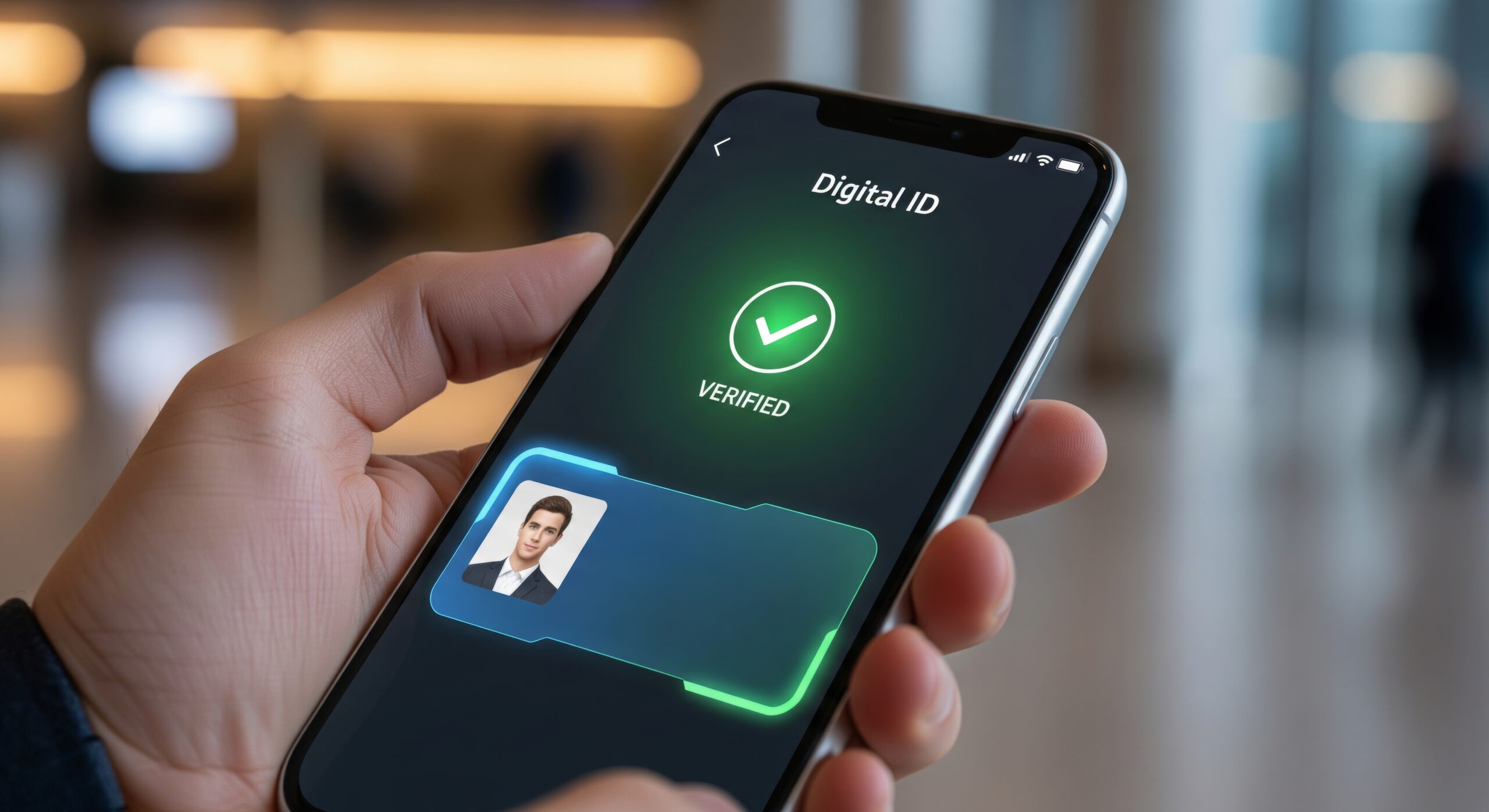
Digital ID for alcohol sales is set to become legal in England and Wales. Find out what the changes mean for licensed premises.
Read More
Download our World Cup 2026 licensing guide with TEN deadlines and trading hour extensions for licensed premises.
Read More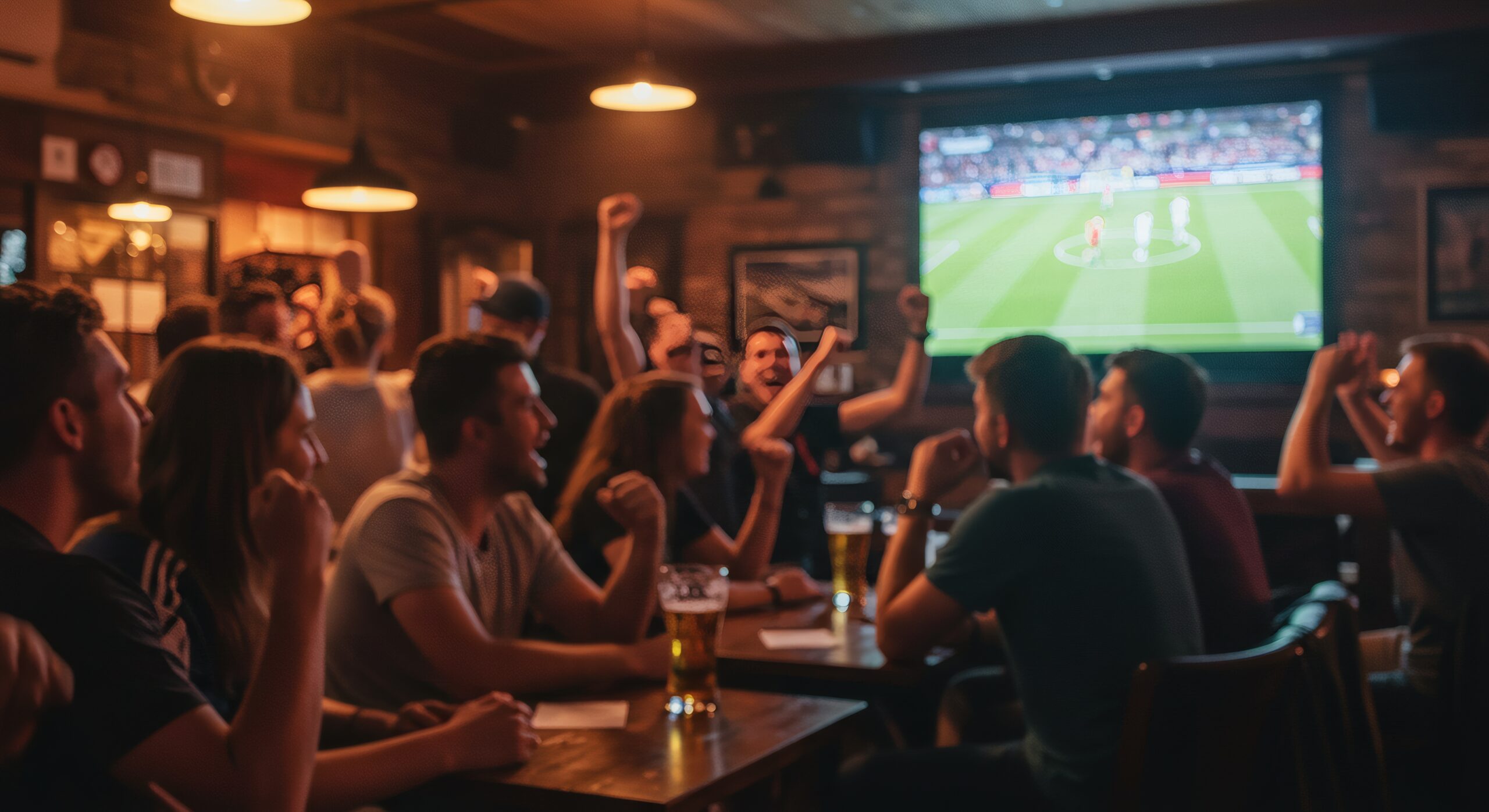
Guidance for UK licensed premises on TENs and licensing extensions for FIFA World Cup 2026 late-night match screenings.
Read More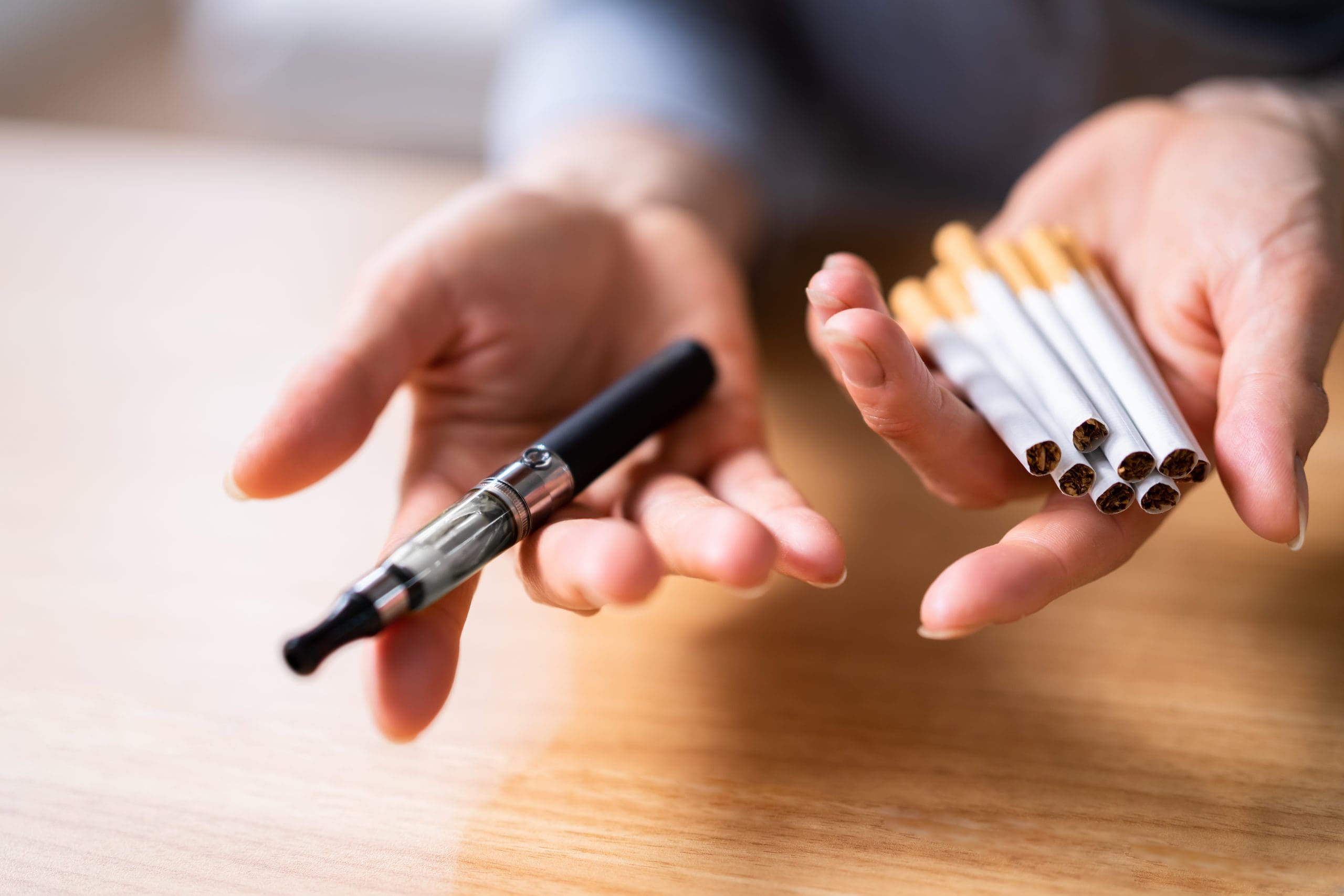
The Tobacco and Vapes Bill seeks a 'smokefree generation', tighter vaping laws, expanded smokefree areas, and a retailer licensing scheme.
Read More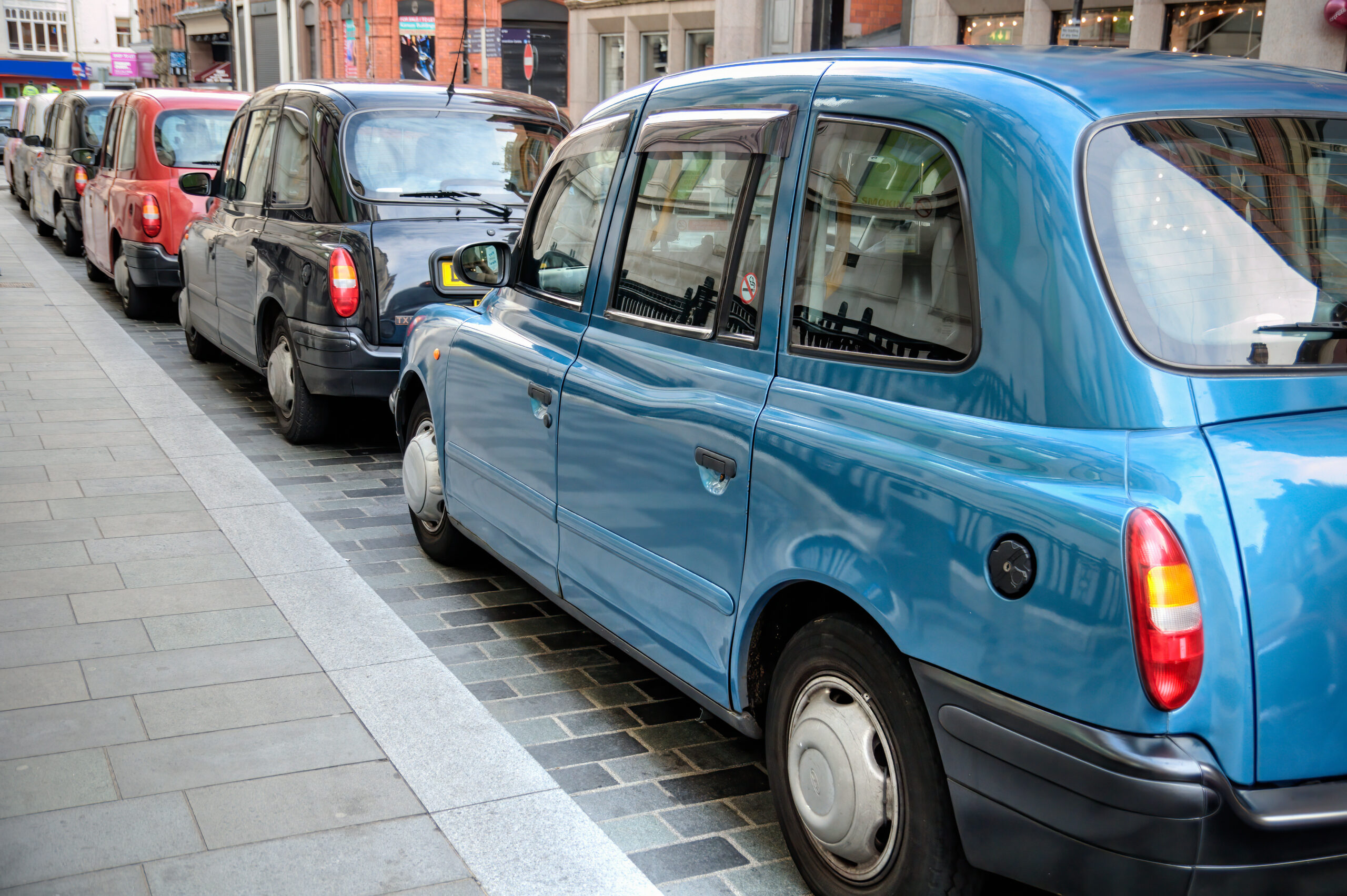
The UK Government’s 2025 VAWG strategy introduces licensing reforms for taxis, PHVs, and sexual entertainment venues to improve public safety.
Read More
Learn how Cumulative Impact Assessments affect pubs, bars and restaurants and what operators should do to stay compliant.
Read More
Low and no alcohol drinks are growing in popularity. Licensed venues must still understand ABV thresholds and age-verification rules.
Read More
Plan ahead for England’s FIFA World Cup 2026 matches and ensure your venue meets licensing requirements for serving alcohol.
Read More
The Government confirms changes to the Licensing Act 2003, allowing Digital Verification Services (DVS) for age verification.
Read More
Understand the Licensing Hours Extension Bill and how it affects pubs, bars, and licensed venues across the UK.
Read More