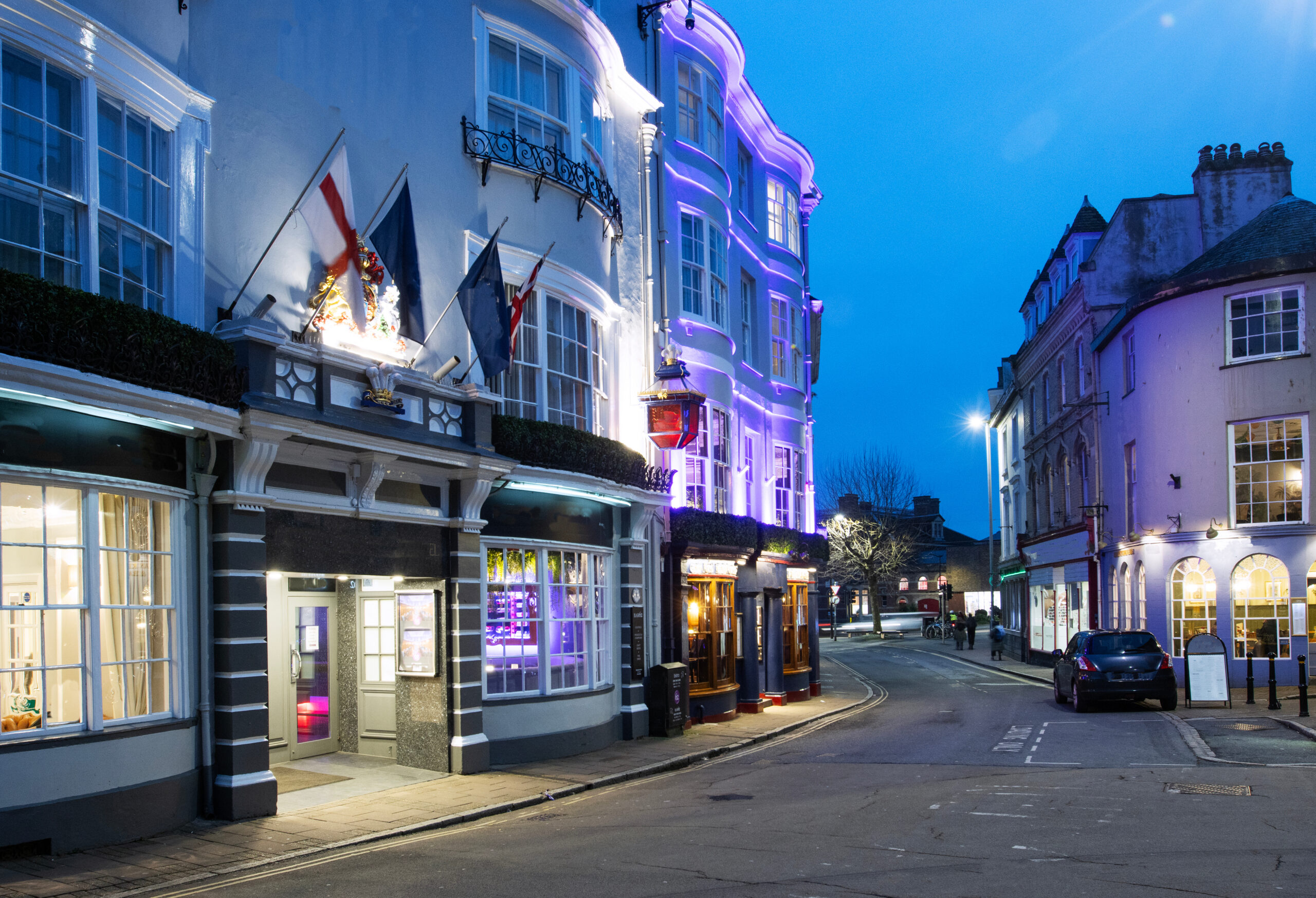
Cumulative Impact Assessments (CIAs) identify areas where licensed premises may impact crime or public safety. Operators should understand restrictions, stricter licensing conditions, and seek early legal advice.
03 February 2026|Licensing
Insight
It is increasingly important for retailers and licensed operators to understand Cumulative Impact Assessments (CIAs) and how they may affect business operations.
CIAs are designated areas where the concentration, number, or type of licensed premises, such as pubs, bars, restaurants, and late-night venues, are considered likely to impact crime levels, public safety, or public nuisance.
In these zones, licensing applications face greater scrutiny, and operators may need to show that their premises will not add to the existing cumulative impact. Applicants should expect stricter licensing conditions, a presumption against granting new licences, and a higher evidential burden when demonstrating that their operation will not exacerbate local issues.
Across the UK, CIAs and Cumulative Impact Zones (CIZs) have been implemented in a number of areas to manage the risks associated with high densities of licensed premises. Examples include:
These examples demonstrate how CIAs are being used nationally to control disorder, manage public nuisance, and regulate the growth and density of licensed premises.
The purpose of a CIA is to give local authorities greater control over areas experiencing high levels of public nuisance or disorder, helping to protect residents and businesses alike. Operators in or near these zones should carefully review any proposed changes to licensing policies and seek early legal advice to ensure compliance. Understanding the scope of a CIA and planning ahead can help businesses mitigate the risk of licence refusals, stricter conditions, or enforcement action.
By staying informed and proactive, licensed operators can navigate the challenges of CIAs effectively and maintain compliant, safe operations in areas with high concentrations of licensed venues.
The Government is consulting on new vape packaging and display rules that could affect retailers, wholesalers and manufacturers.
Read More
The Government's new music strategy includes proposals affecting festivals, live music venues and licensing across England.
Read More
Digital ID for alcohol sales is set to become legal in England and Wales. Find out what the changes mean for licensed premises.
Read More
Download our World Cup 2026 licensing guide with TEN deadlines and trading hour extensions for licensed premises.
Read More
Guidance for UK licensed premises on TENs and licensing extensions for FIFA World Cup 2026 late-night match screenings.
Read More
With fewer than 50 days to go until the FIFA Men’s World Cup 2026 kicks off, now is the time for licensed premises to…
Read More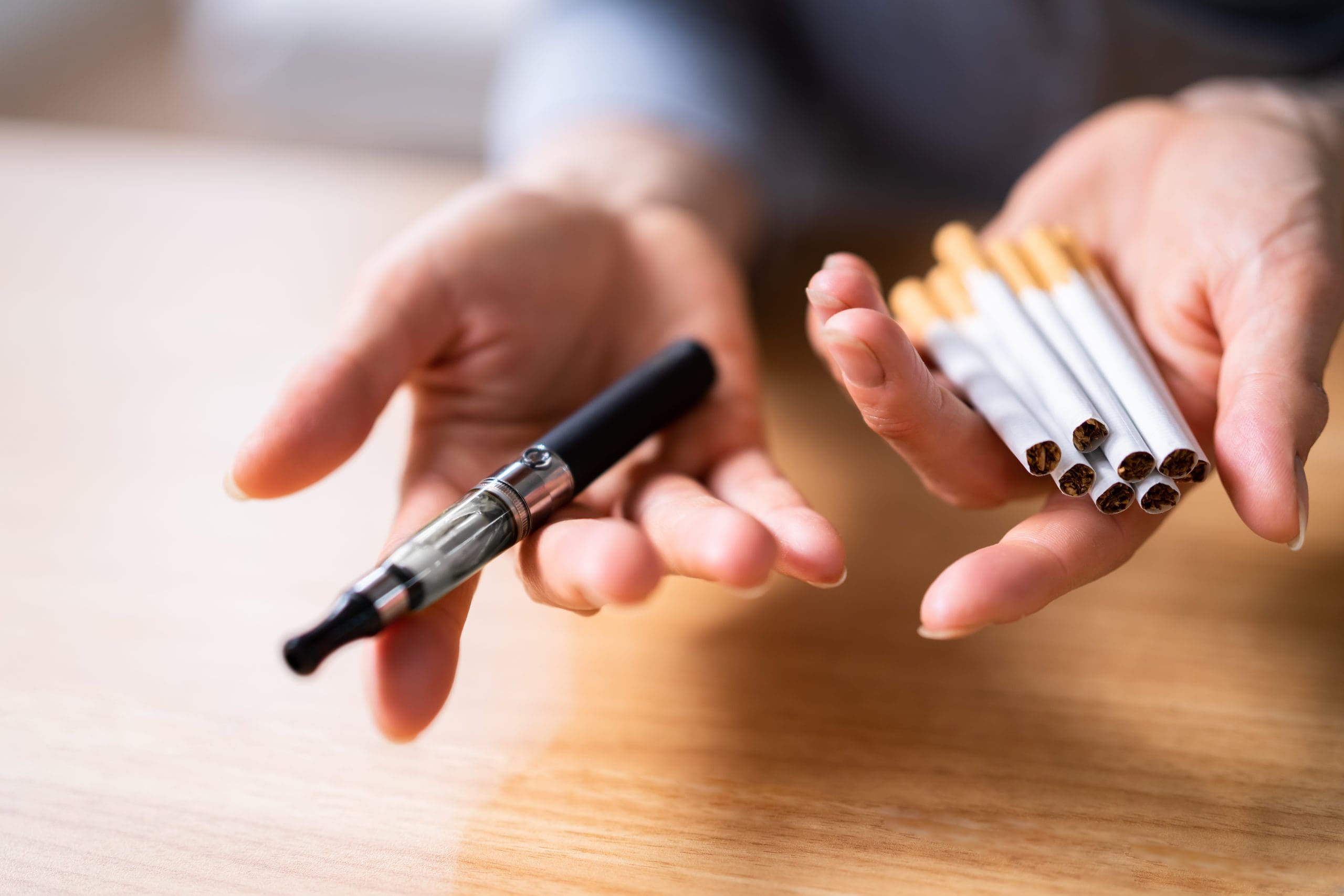
The Tobacco and Vapes Bill seeks a 'smokefree generation', tighter vaping laws, expanded smokefree areas, and a retailer licensing scheme.
Read More
The UK Government’s 2025 VAWG strategy introduces licensing reforms for taxis, PHVs, and sexual entertainment venues to improve public safety.
Read More
Low and no alcohol drinks are growing in popularity. Licensed venues must still understand ABV thresholds and age-verification rules.
Read More
Plan ahead for England’s FIFA World Cup 2026 matches and ensure your venue meets licensing requirements for serving alcohol.
Read More
The Government confirms changes to the Licensing Act 2003, allowing Digital Verification Services (DVS) for age verification.
Read More
Understand the Licensing Hours Extension Bill and how it affects pubs, bars, and licensed venues across the UK.
Read More