
For more information on cumulative impact policies, as well as wider licensing matters, please contact us on 01332 226 151 or complete the form below.

Cumulative impact policies can make new premises licences and variations to existing premises licences difficult to obtain. This article will help maximise the chances of your application being successful.
Licensing|20 January 2020
Insight
Introduced by the Licensing Act 2003, cumulative impact policies are a tool for licensing authorities to limit the growth of licensed premises in a problem area. They’re also known as CIPs, saturation zones, stress areas and special policies.
Licensing authorities often consult on introducing a CIP in areas where the number, type or concentration of licensed premises, such as those selling alcohol or takeaway food late at night, is high or exceptional, and causes serious nuisance and disorder problems.
Each local authority works CIPs differently. Some councils have framework or core hours, and the cumulative impact policy only applies to applications which seek licensable activities beyond these hours, whereas others such as Westminster, robustly safeguard the terms of their cumulative impact policies often resulting in all applications being opposed purely based on a policy being in place. Conversely, councils such as Bristol and Leeds take a more pragmatic approach and are open to dialogue and consultation.
The local licensing authority must keep the policy under review. It can consult on expanding or reducing the area the policy applies to, but normally the council will to try to keep it as is or expand it, based on police advice following crimes or anti-social behaviour. Importantly, case law has confirmed that councils mustn’t impose quotas on the number of premises or their capacity.
It’s sometimes argued that cumulative impact policies stagnate growth and development by providing existing licence holders, which may not be operating as effectively as possible, with protection from new operators competing for their business and forcing them to raise their game.
Where a cumulative impact policy exists, there’s usually a presumption that applications for new premises licences, or variations to existing ones such as increasing hours, capacity or changing conditions, will be refused.
Cumulative impact policies can be extremely difficult to overcome. Demonstrating that by comparing your operation to nearby premises may not be straightforward. If you can show that your licence won’t have a negative impact on your licensing objectives, you increase your chances of success.
If you’re an experienced operator that can demonstrate a successful track record, show evidence of no crime and can afford the related legal costs, you may be able to get a new premises licence or licence variation over the line and secure a premises licence in a cumulative impact area. If you’re a start-up wanting to break into the market, it can be incredibly difficult to obtain a licence and you may end up with more restrictive hours and conditions to comply with than you originally wanted.
We have been successful with extending hours, increasing capacity and obtaining new premises licences for our clients with premises in areas covered by a cumulative impact policy. From our experience, the key is how you approach the application.
We suggest consulting with the authorities upfront. Even though this may seem a more drawn out process in some situations, this maximises your chances of getting the local authority on side early. Before you consult with the licensing authorities, ensure that you understand your operation, your community and how you manage your relationships with your neighbours.
Although there are now over 200 cumulative impact policies in place across England and Wales, they don’t cover the equivalent number of councils. The London Borough of Islington, for instance, has six cumulative impact policy areas, Bristol has five and the London Borough of Newham has six. Surprisingly, Manchester city centre has no CIP in place (although there is for surrounding parts of the city) and the city of Sheffield currently has no CIPs in place. However, the licensing authority here does state that there are some areas of concern and the need for the designation of cumulative impact areas will be kept under review. Some areas which interestingly have a CIP are Melton Mowbray, South Gloucestershire District Council (Kingswood), Forest Heath District Council (Newmarket) and even our home city of Derby.
Even though a leading licensing lawyer recently went as far as describing cumulative impact policies as a ‘cancer’, and other industry experts have coined them the ‘anti-business’ and ‘anti-night-time economy’, cumulative impact policies are here to stay for the time being and are, in one way or another, enforced by the authorities.
Should you want to extend hours or obtain a licence in an area covered by cumulative impact policy, we would advise taking a tactful approach and seeking legal advice.
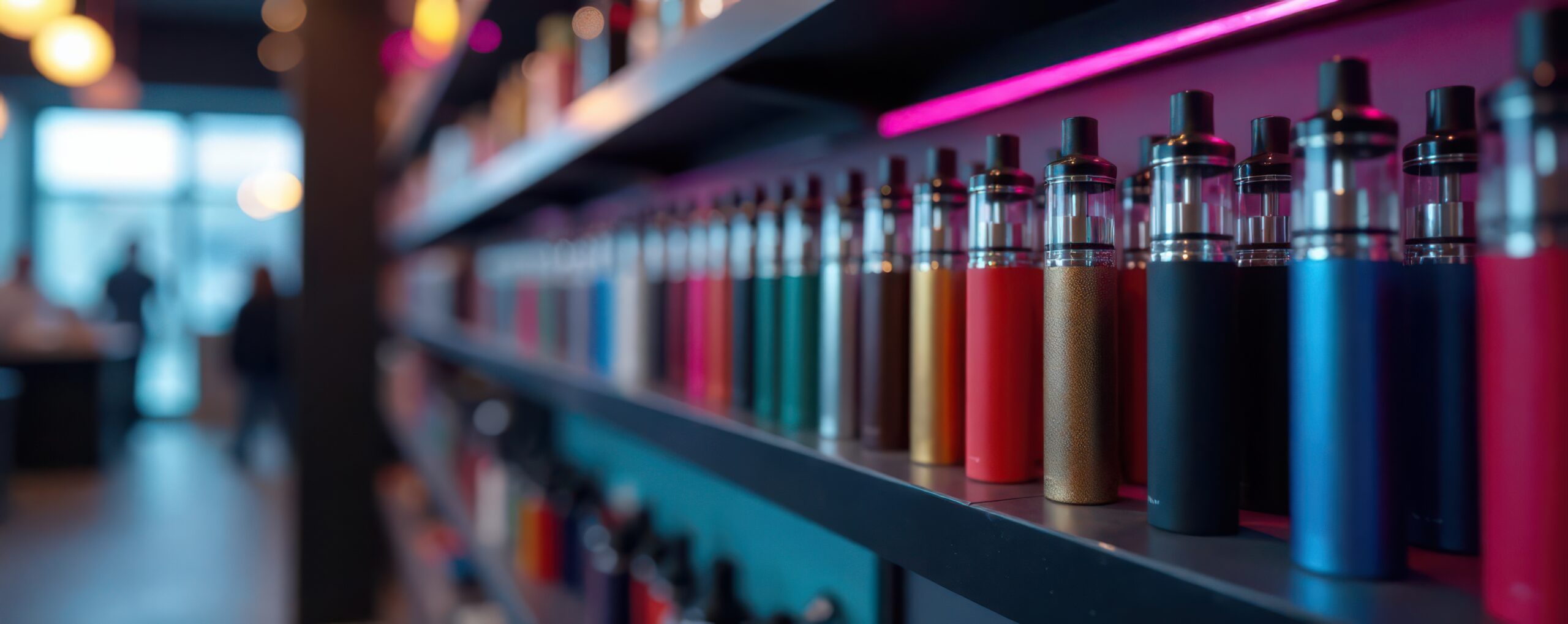
The Government is consulting on new vape packaging and display rules that could affect retailers, wholesalers and manufacturers.
Read More
The Government's new music strategy includes proposals affecting festivals, live music venues and licensing across England.
Read More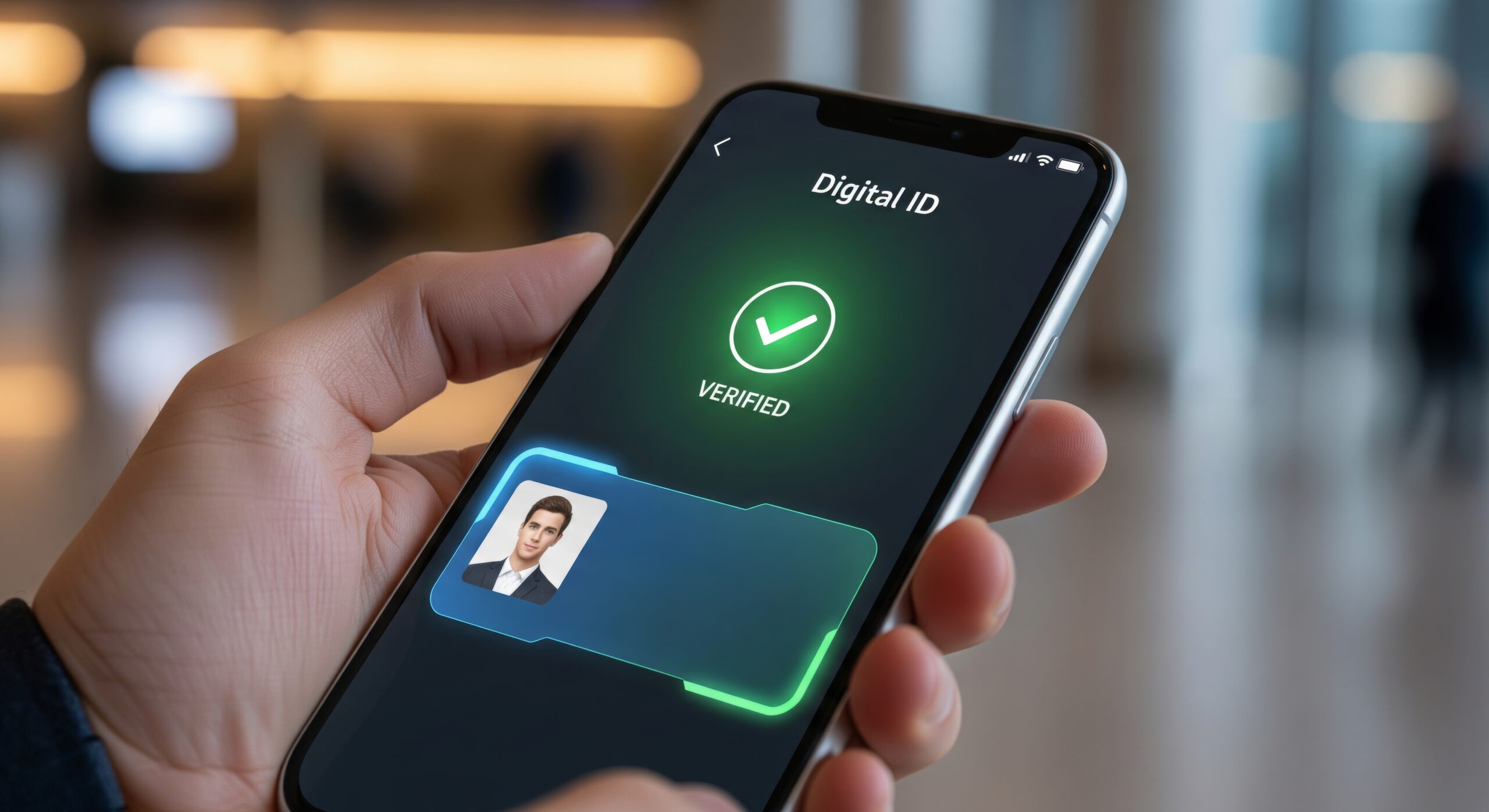
Digital ID for alcohol sales is set to become legal in England and Wales. Find out what the changes mean for licensed premises.
Read More
Download our World Cup 2026 licensing guide with TEN deadlines and trading hour extensions for licensed premises.
Read More
Guidance for UK licensed premises on TENs and licensing extensions for FIFA World Cup 2026 late-night match screenings.
Read More
With fewer than 50 days to go until the FIFA Men’s World Cup 2026 kicks off, now is the time for licensed premises to…
Read More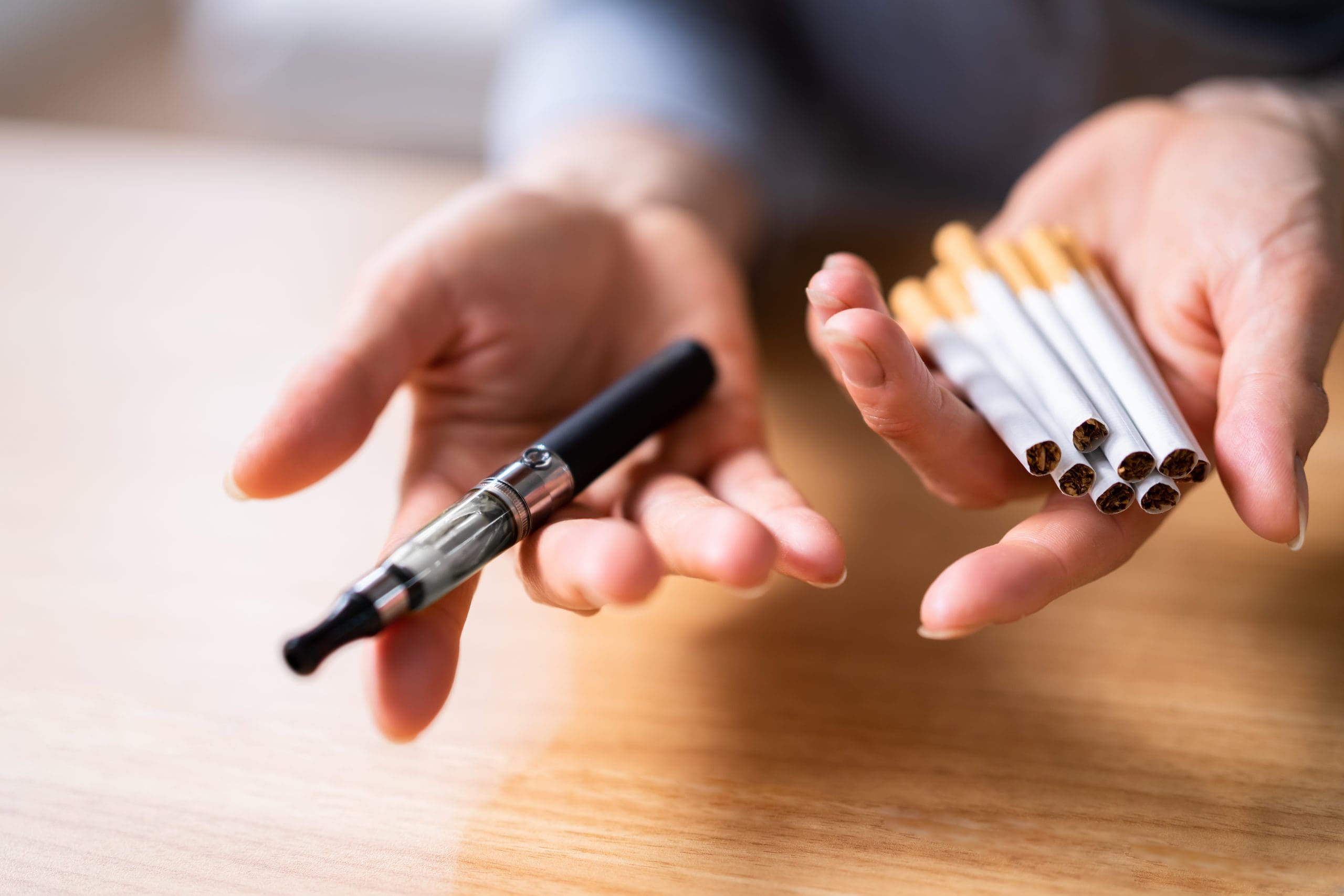
The Tobacco and Vapes Bill seeks a 'smokefree generation', tighter vaping laws, expanded smokefree areas, and a retailer licensing scheme.
Read More
The UK Government’s 2025 VAWG strategy introduces licensing reforms for taxis, PHVs, and sexual entertainment venues to improve public safety.
Read More
Learn how Cumulative Impact Assessments affect pubs, bars and restaurants and what operators should do to stay compliant.
Read More
Low and no alcohol drinks are growing in popularity. Licensed venues must still understand ABV thresholds and age-verification rules.
Read More
Plan ahead for England’s FIFA World Cup 2026 matches and ensure your venue meets licensing requirements for serving alcohol.
Read More
The Government confirms changes to the Licensing Act 2003, allowing Digital Verification Services (DVS) for age verification.
Read More