
For more information about Martyn’s Law, or for support with any other licensing requirements, please contact us on 01332 226 151 or complete the form below.

Understand how Martyn’s Law will affect licensed premises and what steps venues must take to improve protective security
Licensing|22
Insight
Following the Royal Assent of Martyn’s Law on 25th March 2025, businesses and venue operators across the UK are preparing for significant new security responsibilities. Officially known as the Terrorism (Protection of Premises) Act, this legislation aims to improve the protective security of public venues by requiring certain premises to assess and mitigate terrorism risks.
Martyn’s Law is a new legal framework designed to enhance security measures at public venues and events. It places a duty on specific venues and premises to carry out protective security risk assessments and take proportionate steps to prepare for and mitigate the threat of terrorism. The law will apply initially to venues with a capacity of 100 or more people, including sports stadiums, music venues, and public events, with the scope expected to widen over time.
The legislation requires organisations to:
Martyn’s Law responds to the increasing threat of terrorism and recognises the role venues and events play as potential targets. It is named in memory of Martyn Hett, a victim of the Manchester Arena bombing in 2017, underscoring the human importance of these protections.
The law aims to reduce the risk of attacks, limit harm to people, and strengthen national security resilience by embedding a culture of vigilance and preparedness in the night-time economy and wider public spaces.
Although Martyn’s Law has received Royal Assent, it is not yet in force. The Government has committed to a minimum two-year implementation period from Royal Assent, allowing time for guidance, regulatory framework development, and phased introduction.
A dedicated Regulator within the SIA framework will be responsible for enforcing compliance and providing support to venues during this period.
To help businesses understand the new legal requirements, the Home Office has released a short, two-minute animated video designed to educate venue operators, event organisers, and premises managers on the key aspects of Martyn’s Law.
This video covers:

The Government is consulting on new vape packaging and display rules that could affect retailers, wholesalers and manufacturers.
Read More
The Government's new music strategy includes proposals affecting festivals, live music venues and licensing across England.
Read More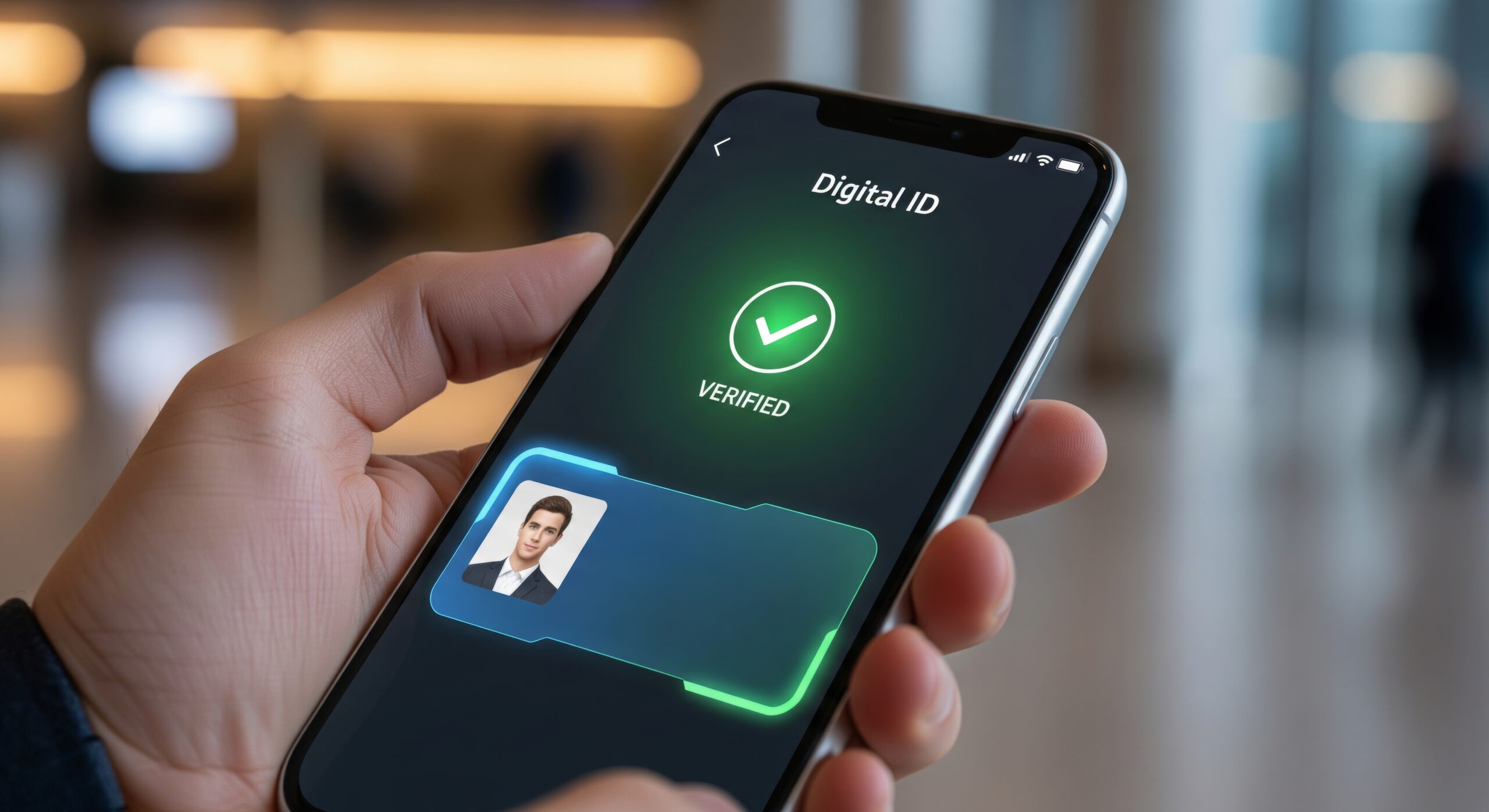
Digital ID for alcohol sales is set to become legal in England and Wales. Find out what the changes mean for licensed premises.
Read More
Download our World Cup 2026 licensing guide with TEN deadlines and trading hour extensions for licensed premises.
Read More
Guidance for UK licensed premises on TENs and licensing extensions for FIFA World Cup 2026 late-night match screenings.
Read More
With fewer than 50 days to go until the FIFA Men’s World Cup 2026 kicks off, now is the time for licensed premises to…
Read More
The Tobacco and Vapes Bill seeks a 'smokefree generation', tighter vaping laws, expanded smokefree areas, and a retailer licensing scheme.
Read More
The UK Government’s 2025 VAWG strategy introduces licensing reforms for taxis, PHVs, and sexual entertainment venues to improve public safety.
Read More
Learn how Cumulative Impact Assessments affect pubs, bars and restaurants and what operators should do to stay compliant.
Read More
Low and no alcohol drinks are growing in popularity. Licensed venues must still understand ABV thresholds and age-verification rules.
Read More
Plan ahead for England’s FIFA World Cup 2026 matches and ensure your venue meets licensing requirements for serving alcohol.
Read More
The Government confirms changes to the Licensing Act 2003, allowing Digital Verification Services (DVS) for age verification.
Read More