
For more information or further guidance relating to noise complaints, please call us on 01332 226 198 or fill in the form below and a member of our Licensing team will be in touch.

In this insight article, we guide you on how to effectively respond to a Noise Abatement Notice and offer practical strategies to minimise the risk of future noise complaints.
29 August 2024
Insight
With the resurgence of the night-time economy following pandemic-related closures, noise complaints have become a growing concern for many premises. Operators offering regulated entertainment need to be vigilant in preventing noise issues, as failing to do so can lead to serious consequences, including receiving a Noise Abatement Notice.
In recent times, even established venues have been threatened with closure due to noise complaints. This highlights the importance of taking swift and effective action if your premises receives a Noise Abatement Notice. Below, we outline the key steps to take when dealing with such a notice.
Receiving a Noise Abatement Notice from the Environmental Health Officer (EHO) indicates that a noise complaint has been investigated and deemed a statutory nuisance. Failure to comply can lead to prosecution, unlimited fines, and can even threaten your premises licence.
Here’s what you should do:
Carefully read the Noise Abatement Notice to understand the specific nature of the complaint. The notice will outline the type of noise considered to be a nuisance and any deadlines for compliance. If any part of the notice is unclear, seek clarification from the issuing authority or consult a specialist licensing solicitor.
Also, ensure that it has been served on the correct person. If you are the licence holder for the premises but do not operate the site, then you will most likely be able to appeal the notice and request it be served on the operator of the premises instead.
Open communication is crucial. Reach out to the local licensing and environmental health officers to discuss the complaint and any actions required. Cooperation can sometimes lead to flexibility in resolving the issue. Engage with your neighbours to understand their concerns and reassure them that you are taking steps to address the problem. Maintaining good relationships can prevent future complaints.
Depending on the nature of the notice, you may need to take immediate steps to reduce noise levels. This could include adjusting sound equipment, moving speakers, or reducing the volume of music. Consider hiring an acoustic consultant to assess noise levels and provide expert advice on soundproofing or other noise attenuation measures if you think it is necessary.
Document every step you take in response to the Noise Abatement Notice, including communications with authorities, actions taken to reduce noise, and any subsequent checks or assessments. Maintaining a complaints log and noise monitoring records will demonstrate your proactive efforts if the situation escalates.
If you are unable to resolve the issue or believe the notice is unjustified, consult a licensing solicitor. They can provide guidance on appealing the notice or navigating the process to protect your premises licence. In the event of further enforcement action, such as a review of your premises licence, legal representation will be crucial in defending your interests.
Prevention is always better than cure. Taking proactive measures can help reduce the likelihood of receiving a Noise Abatement Notice in the first place:
By taking these steps, you can manage noise effectively, safeguard your premises licence, and maintain a harmonious relationship with both your neighbours and the authorities.

The Government is consulting on new vape packaging and display rules that could affect retailers, wholesalers and manufacturers.
Read More
The Government's new music strategy includes proposals affecting festivals, live music venues and licensing across England.
Read More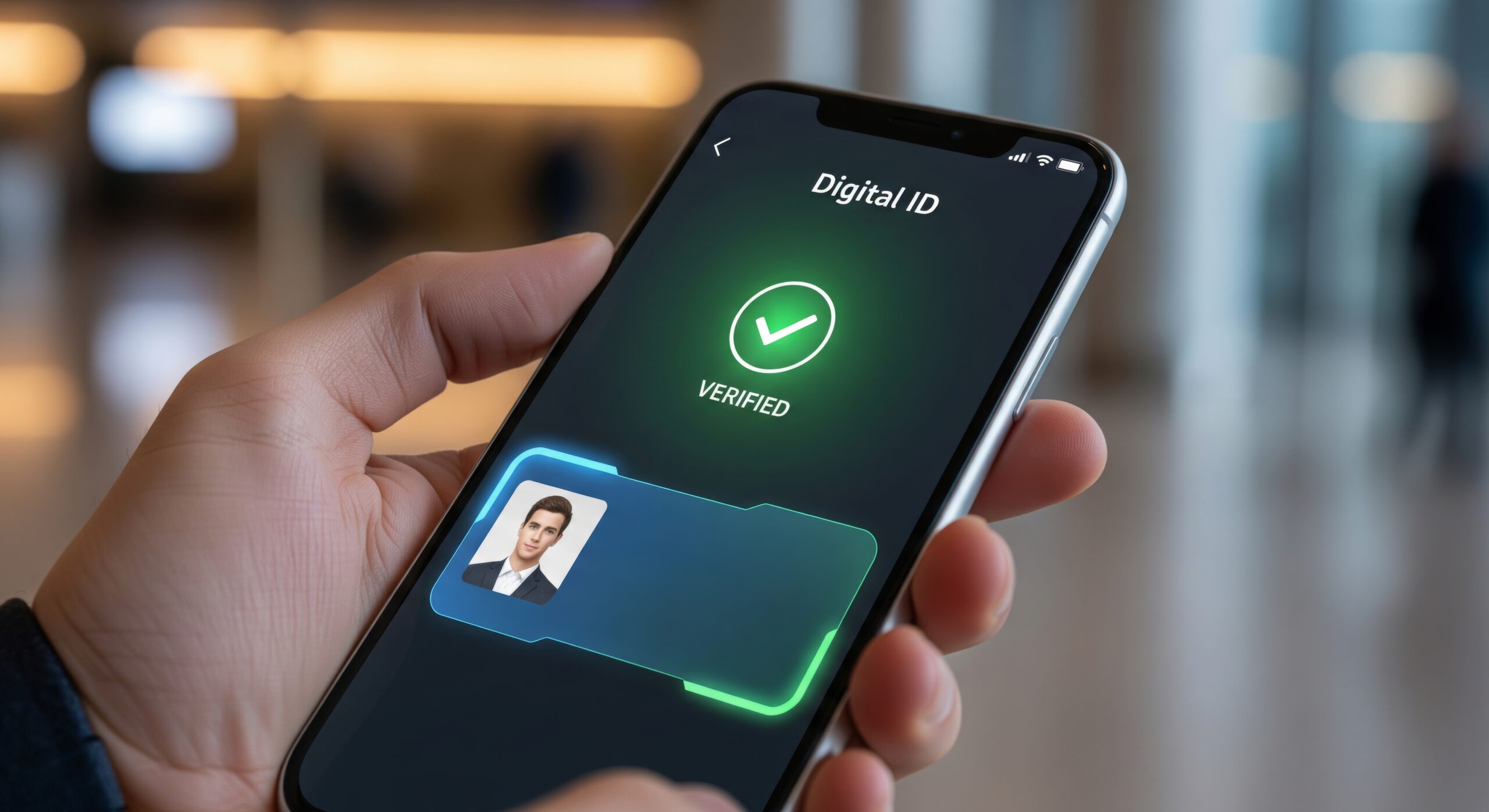
Digital ID for alcohol sales is set to become legal in England and Wales. Find out what the changes mean for licensed premises.
Read More
Download our World Cup 2026 licensing guide with TEN deadlines and trading hour extensions for licensed premises.
Read More
Guidance for UK licensed premises on TENs and licensing extensions for FIFA World Cup 2026 late-night match screenings.
Read More
With fewer than 50 days to go until the FIFA Men’s World Cup 2026 kicks off, now is the time for licensed premises to…
Read More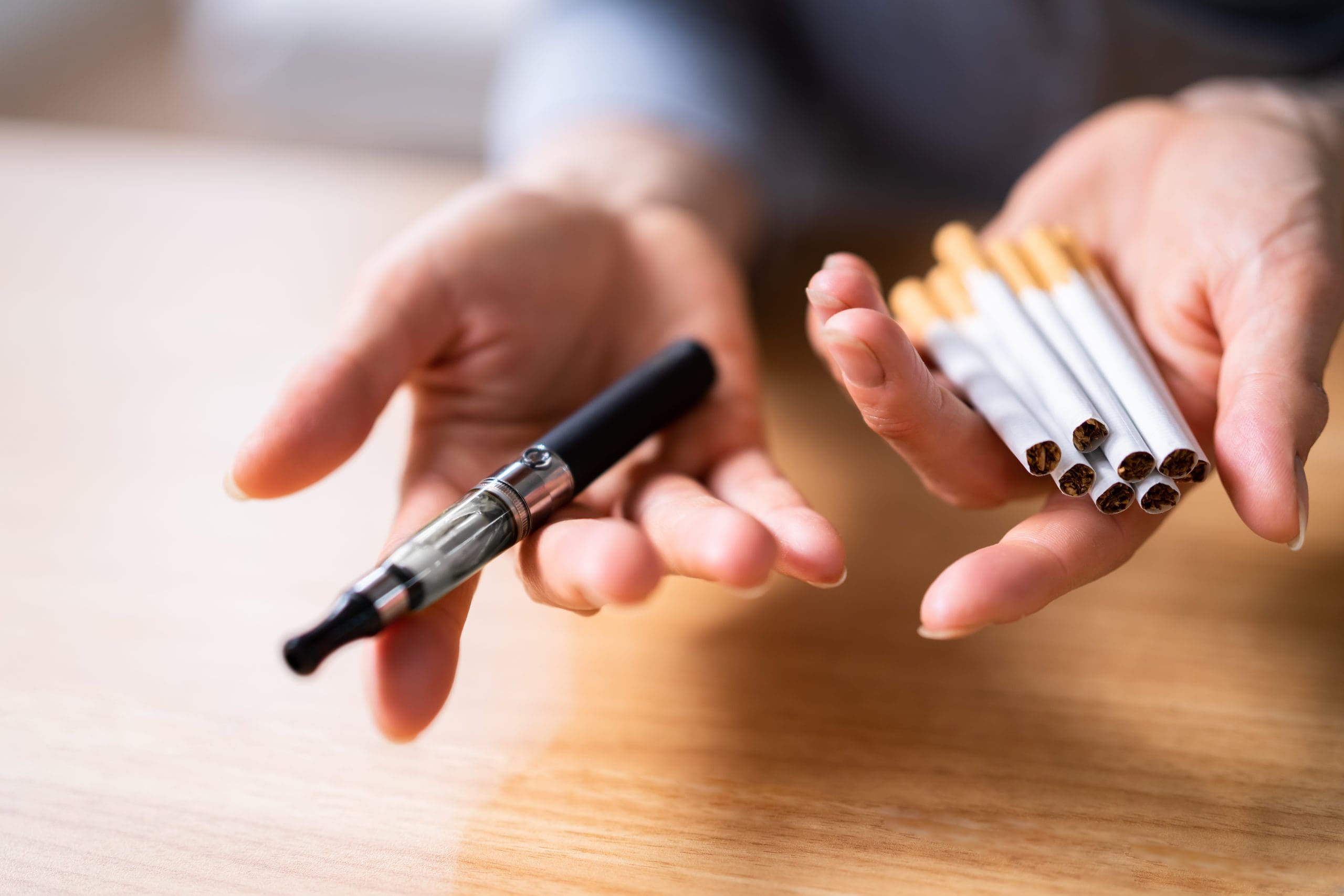
The Tobacco and Vapes Bill seeks a 'smokefree generation', tighter vaping laws, expanded smokefree areas, and a retailer licensing scheme.
Read More
The UK Government’s 2025 VAWG strategy introduces licensing reforms for taxis, PHVs, and sexual entertainment venues to improve public safety.
Read More
Learn how Cumulative Impact Assessments affect pubs, bars and restaurants and what operators should do to stay compliant.
Read More
Low and no alcohol drinks are growing in popularity. Licensed venues must still understand ABV thresholds and age-verification rules.
Read More
Plan ahead for England’s FIFA World Cup 2026 matches and ensure your venue meets licensing requirements for serving alcohol.
Read More
The Government confirms changes to the Licensing Act 2003, allowing Digital Verification Services (DVS) for age verification.
Read More