If you’re planning an outdoor event and want to ensure you’re fully compliant with your licensing responsibilities, call our Licensing team on 01332 226 151 or fill in the form below.

How to avoid noise complaints at outdoor events with practical tips for licensed premises and event operators.
Licensing|22 July 2025
Insight
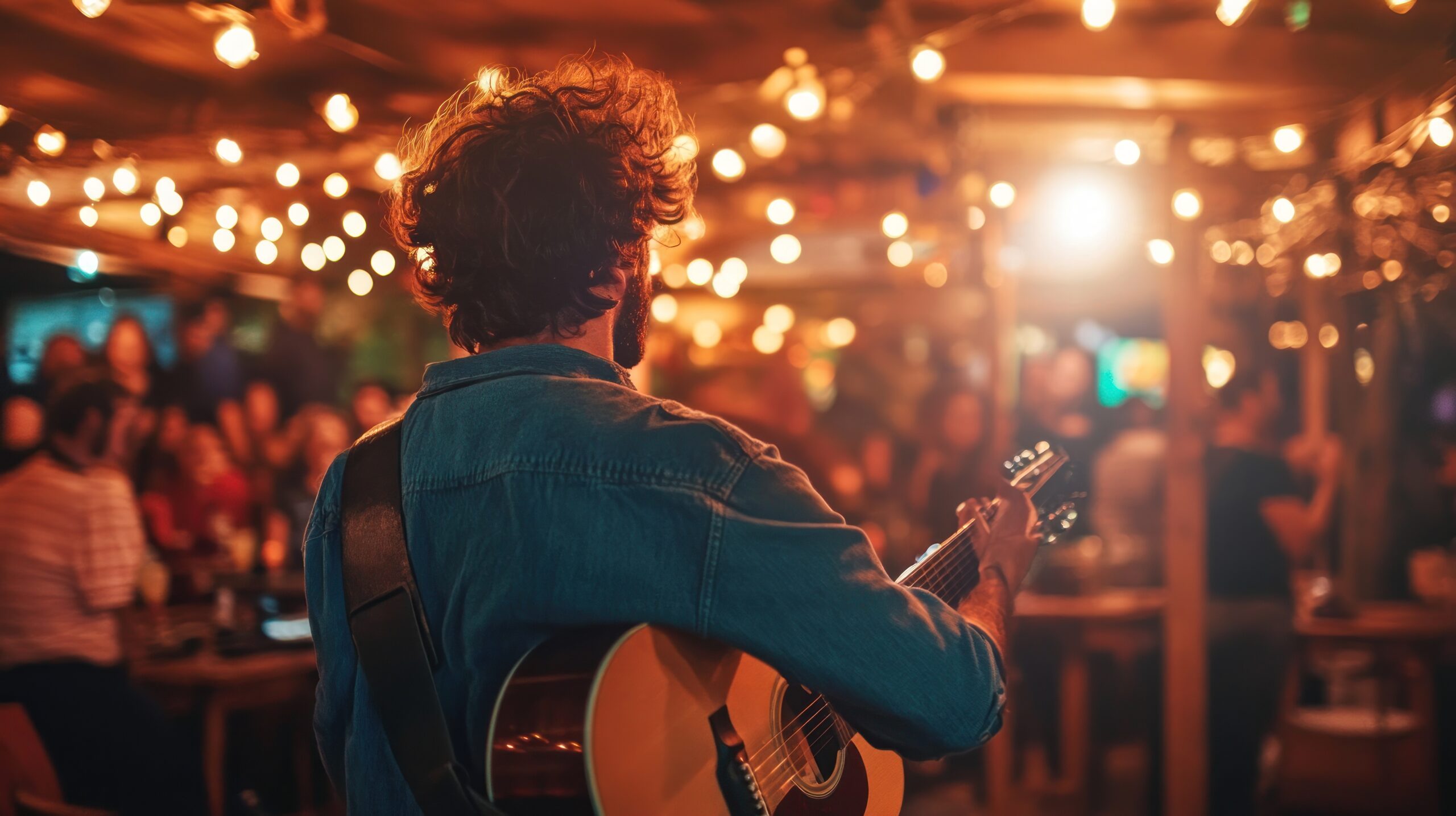
As summer arrives and operators look to make the most of their outdoor spaces, the rise in live music, social events, and increased footfall can bring more than just a welcome boost in trade. Noise complaints from nearby residents are a common challenge, and if not handled properly, can result in reputational damage, strained neighbour relations, and even enforcement action.
So, how can you avoid noise complaints while still creating successful and compliant outdoor events? These practical tips will help you reduce the risk of complaints, support licensing objectives, and maintain a positive relationship with your local community.
Give advance notice of upcoming outdoor events. Residents may adjust their plans or even attend themselves. A simple heads-up can go a long way in reducing complaints and building goodwill.
If you’ve previously received noise complaints, consider following up with those residents before your next event. Show that you’re taking their concerns seriously and outline the steps you’ve taken to reduce noise this time around.
Check what licensable activities your premises is permitted to carry out, particularly in outdoor spaces. Are live or recorded music events allowed outside? Are there conditions on timing or sound levels? If your event isn’t fully covered by your licence, you may be able to rely on deregulations up to 11pm, but always seek legal advice if unsure.
Assess the nature, timing, and location of your event. Consider factors like speaker placement, audience size, and neighbouring properties. Take additional steps such as monitoring noise levels at boundary points and recording these checks in a log.
If you’ve had previous issues, it may be helpful to engage your local authority’s noise team in advance. They can provide advice and may recommend steps to help reduce the risk of noise nuisance and potential enforcement action.
Too many outdoor events in close succession can lead to fatigue among nearby residents. Spacing your events out gives neighbours some respite and shows consideration, reducing the chance of formal complaints.
Not all entertainment is suitable for outdoor settings. Acoustic acts may create far less disturbance than amplified bands or DJs. Choose event formats that reflect your location and audience while keeping noise levels manageable.
Louder events may be more tolerated during major national occasions, such as bank holidays, sporting tournaments, or the festive season, but this leniency isn’t guaranteed. Ensure your event plans remain proportionate and reasonable for your setting.
Avoiding noise complaints at outdoor events isn’t just about volume, it’s about planning, communication, and compliance. By taking proactive steps to assess risk, work with neighbours, and meet your licensing obligations, you can help ensure your events are both successful and well-received.

The Government is consulting on new vape packaging and display rules that could affect retailers, wholesalers and manufacturers.
Read More
The Government's new music strategy includes proposals affecting festivals, live music venues and licensing across England.
Read More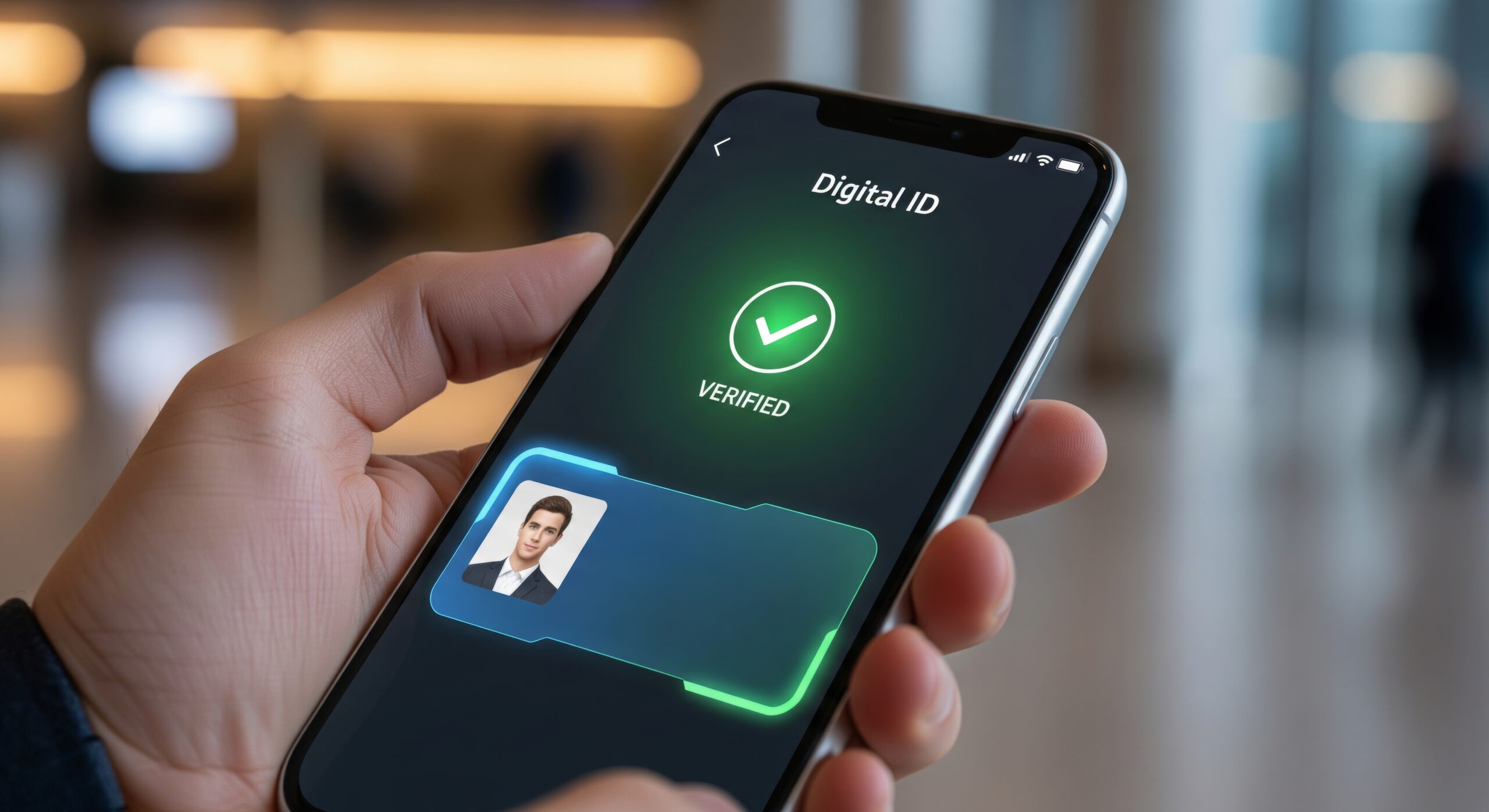
Digital ID for alcohol sales is set to become legal in England and Wales. Find out what the changes mean for licensed premises.
Read More
Download our World Cup 2026 licensing guide with TEN deadlines and trading hour extensions for licensed premises.
Read More
Guidance for UK licensed premises on TENs and licensing extensions for FIFA World Cup 2026 late-night match screenings.
Read More
With fewer than 50 days to go until the FIFA Men’s World Cup 2026 kicks off, now is the time for licensed premises to…
Read More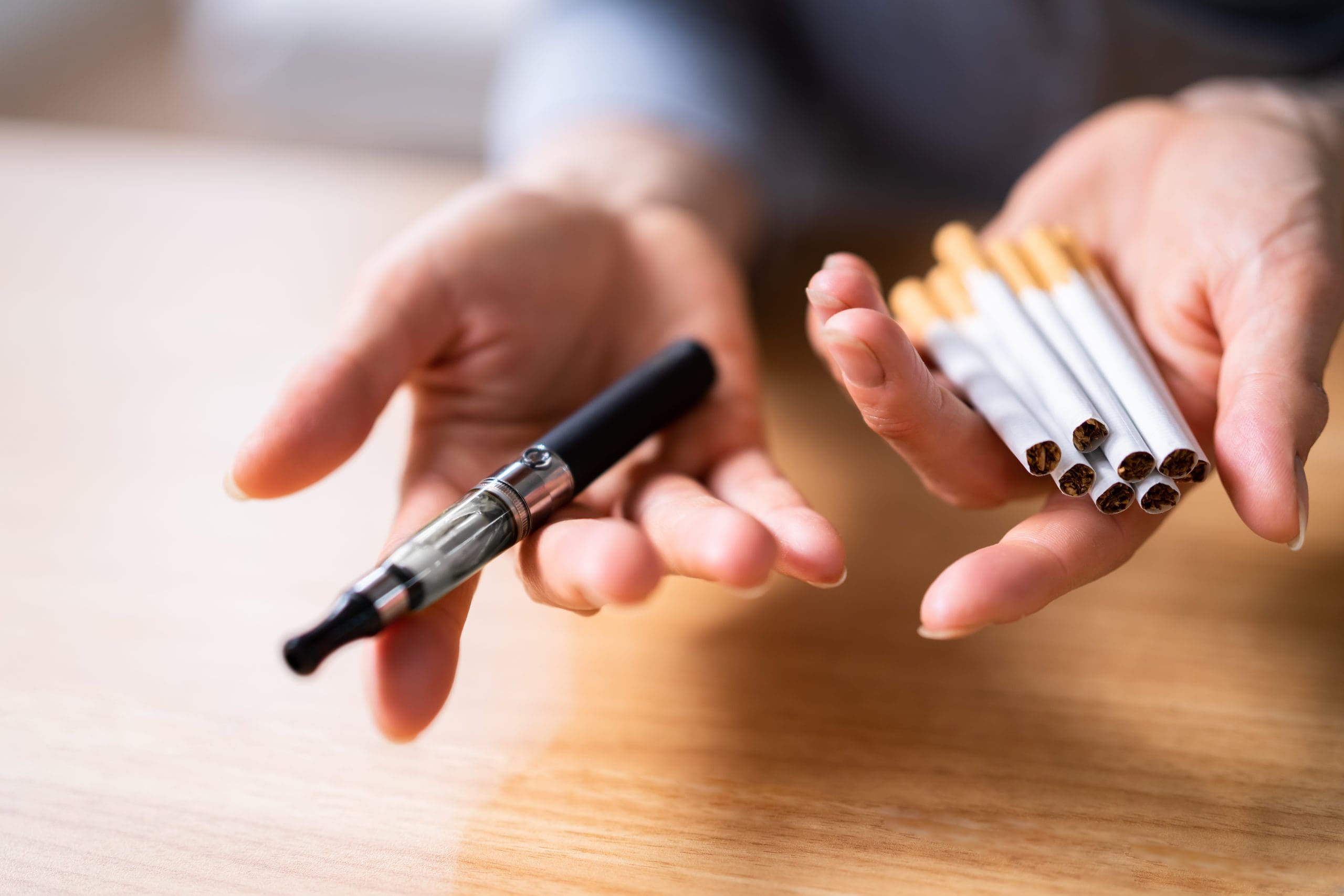
The Tobacco and Vapes Bill seeks a 'smokefree generation', tighter vaping laws, expanded smokefree areas, and a retailer licensing scheme.
Read More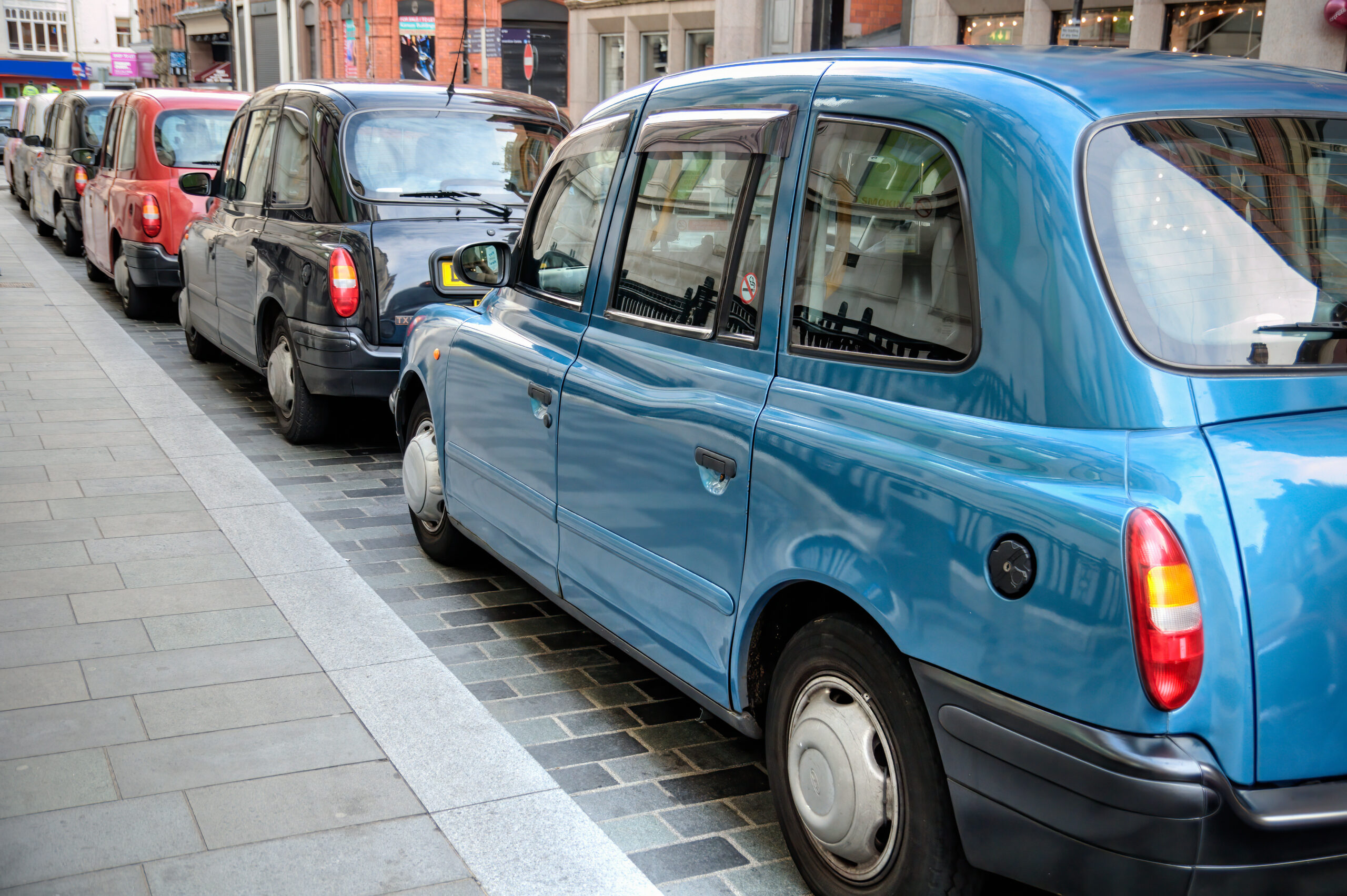
The UK Government’s 2025 VAWG strategy introduces licensing reforms for taxis, PHVs, and sexual entertainment venues to improve public safety.
Read More
Learn how Cumulative Impact Assessments affect pubs, bars and restaurants and what operators should do to stay compliant.
Read More
Low and no alcohol drinks are growing in popularity. Licensed venues must still understand ABV thresholds and age-verification rules.
Read More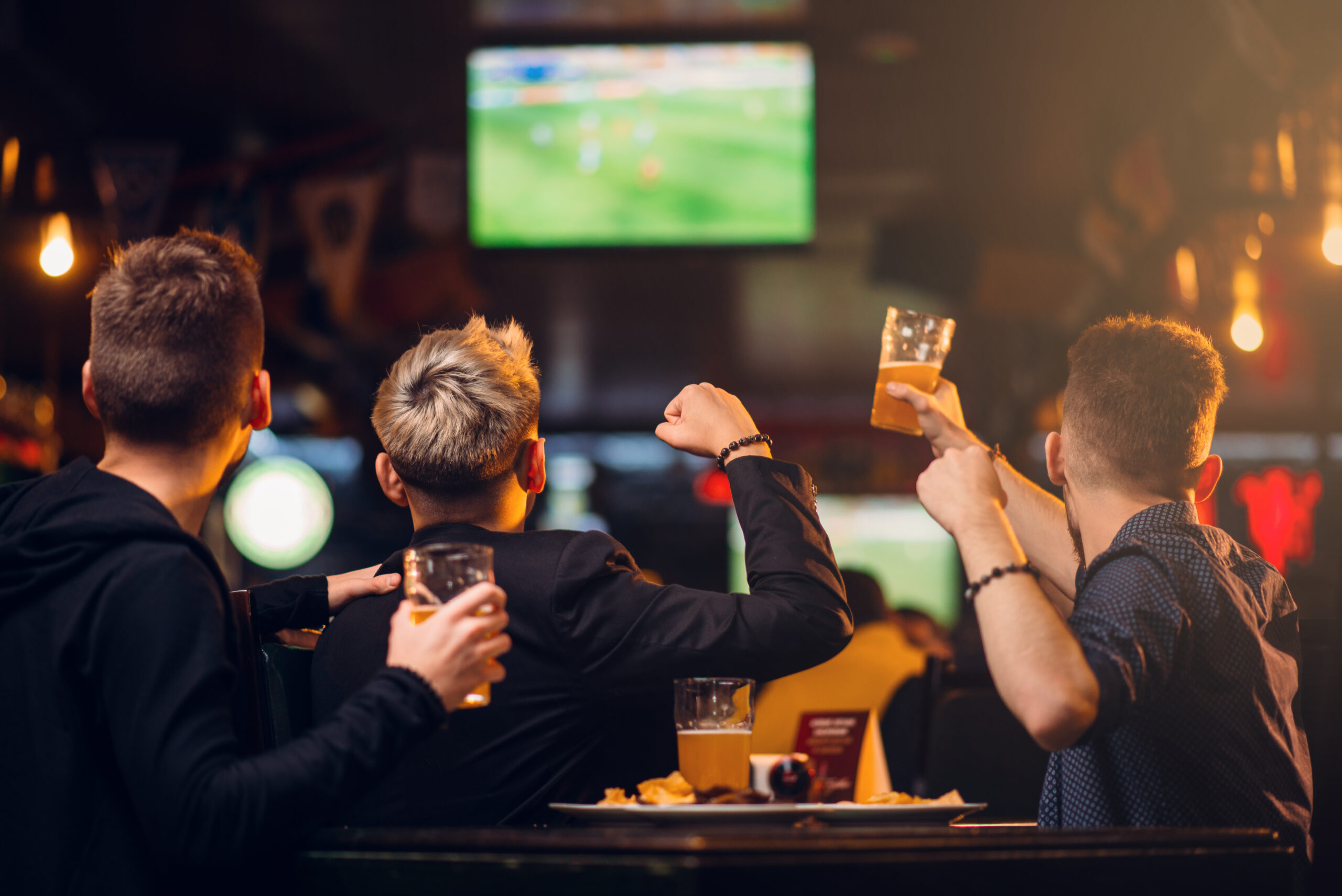
Plan ahead for England’s FIFA World Cup 2026 matches and ensure your venue meets licensing requirements for serving alcohol.
Read More
The Government confirms changes to the Licensing Act 2003, allowing Digital Verification Services (DVS) for age verification.
Read More