
For advice or assistance with writing a drunkenness policy, or responding to the investigation of an incident, contact our Licensing team on 01332 226 151 or fill in the form below.

Our Licensing team explains your legal responsibilities around the sale of alcohol and provides best practice tips on how to prevent the sale of alcohol to someone who is drunk and respond to drunk customers.
12 December 2022
Insight
Pubs, clubs, restaurants, shops and other businesses that sell alcohol have a legal responsibility not to sell or attempt to sell alcohol to a person who is drunk, and to respond appropriately to individuals who are intoxicated.
The Licensing Act 2003, sets out these four licensing objectives:
Correctly dealing with drunkenness at your premises can help promote all four of these objectives.
Drinks promotions must be socially responsible and not encourage excessive drinking. Preventing irresponsible dinks promotions will always be specified in the licence’s mandatory conditions.
Licensing authorities are likely to take issue with special offers that are limited to a short period of time within a single day (e.g. cheaper drinks before 11:00PM), as they may encourage larger quantities of alcohol to be purchased and drunk within a short timeframe. It is also against Government guidance to offer activities that provide rewards or prizes for drinking alcohol.
The Government also advises against promotional marketing that glamorises or encourages intoxication or drunken behaviour. If your social media pages contain photos of people wearing traffic cones for hats, throwing items, or otherwise causing unrest, the authorities may consider this promotion of drunken behaviour and a breach of your licence conditions.
Staff should be trained to recognise the signs of someone beginning to become drunk and be able to confidently refuse sales when someone has had enough. If in doubt, refusal is always safer. The only time refusal might result in a problem would be if it was solely based on a customers protected characteristic (race, sex, disability, gender, sexual orientation, religion or belief).
It is also necessary to ask customers to not buy any further drinks for another person who is becoming drunk.
Drink Aware posters can be displayed in the premises to remind customers of the unit content in alcoholic drinks and the safe alcohol consumption limit.
Providing alcohol in smaller servings can help control the amount your patrons drink. The law also requires on-licences to sell drinks in particular unit measurements.
Download our small measures notice to display this information to your customers.
All licensed premises that sell alcohol must provide free drinking water under the Licensing Act 2003. Drinking water helps to space out drinks and dilute the concentration of alcohol to prevent drunkenness. It can also ease or prevent hangovers, but it will not sober up an already-drunk person.
Drunkenness increases the likelihood of fights, aggressive behaviour, vandalism, health emergencies, or drink driving. In fulfilling the Licensing Act objectives, licensed premises operators should take all available measures to prevent this from occurring by intervening before someone has drunk too much.
The first step is to prevent any further alcohol from being purchased by refusing sales. It is an offence to sell alcohol to a person that is already drunk. You can also refuse entry to the premises to a drunk person, with door staff able to assist should they be employed.
Download our refusal of alcohol sales log sheet template.
Staff should be trained on their responsibilities under the Licensing Act 2003 and be able to recognise appropriate cut off points for serving drunk customers.
Drunk customers may not always be receptive to being refused, but you should not allow the conversation to escalate into an argument or confrontation. Abuse of staff should be treated with zero tolerance.
If someone’s drunken behaviour has become unacceptable, you should ask them to leave. If they will not leave voluntarily, security staff can remove them. If you do not employ security staff then you should call the police for assistance. Members of staff cannot physically eject customers unless they are SIA trained.
Do not let a drunk person drive home. It may be useful to call a taxi, particularly if you are concerned for their safety. However, taxi drivers may refuse to take someone who is drunk.
Some larger premises, especially nightclubs, assign marshals to the task of patrolling to watch for drunken behaviour, and to intervene where it is occurring. This may involve the use of SIA registered door staff where necessary.
Implementing a policy to include arrangements for dealing with intoxicated customers can be helpful. The policy should clearly express that every effort will be made by staff to prevent patrons from deteriorating to an uncontrolled intoxicated extent. All staff must be briefed on the policy.
An official company policy on drunkenness and intoxication helps to establish house rules and makes it easier to explain to customers when refusing sales.
The policy can include:
The Government is consulting on new vape packaging and display rules that could affect retailers, wholesalers and manufacturers.
Read More
The Government's new music strategy includes proposals affecting festivals, live music venues and licensing across England.
Read More
Digital ID for alcohol sales is set to become legal in England and Wales. Find out what the changes mean for licensed premises.
Read More
Download our World Cup 2026 licensing guide with TEN deadlines and trading hour extensions for licensed premises.
Read More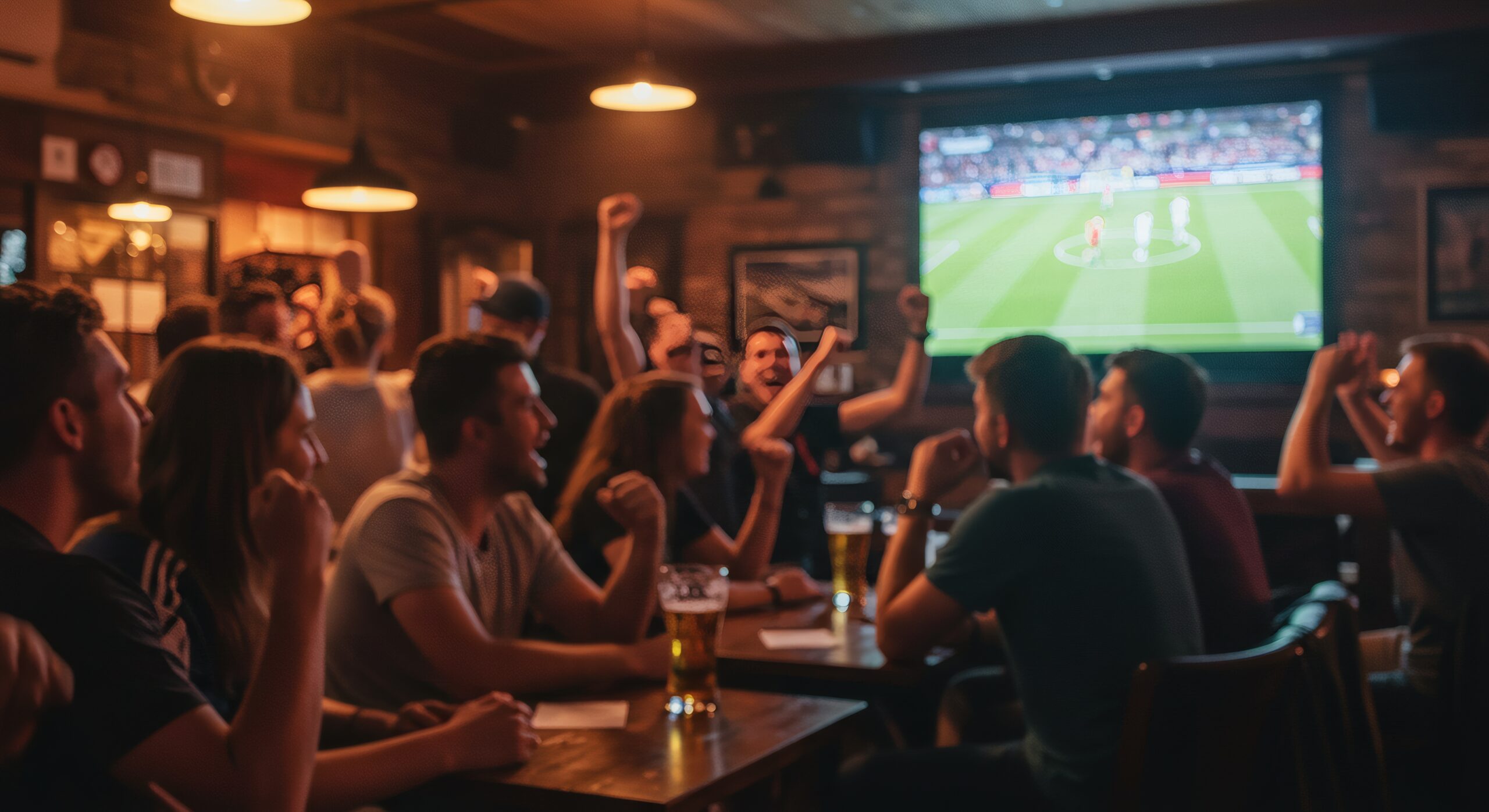
Guidance for UK licensed premises on TENs and licensing extensions for FIFA World Cup 2026 late-night match screenings.
Read More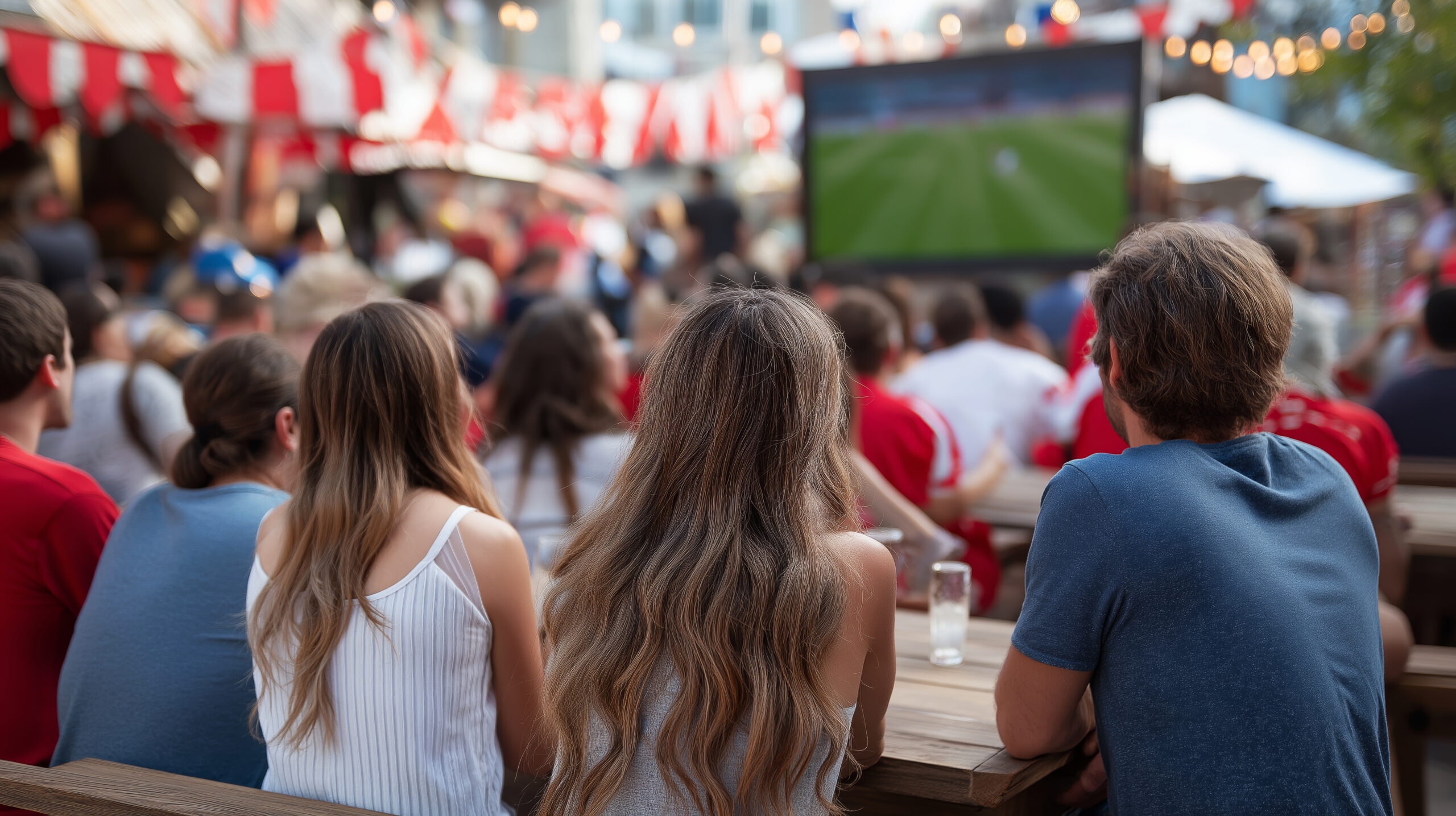
With fewer than 50 days to go until the FIFA Men’s World Cup 2026 kicks off, now is the time for licensed premises to…
Read More
The Tobacco and Vapes Bill seeks a 'smokefree generation', tighter vaping laws, expanded smokefree areas, and a retailer licensing scheme.
Read More
The UK Government’s 2025 VAWG strategy introduces licensing reforms for taxis, PHVs, and sexual entertainment venues to improve public safety.
Read More
Learn how Cumulative Impact Assessments affect pubs, bars and restaurants and what operators should do to stay compliant.
Read More
Low and no alcohol drinks are growing in popularity. Licensed venues must still understand ABV thresholds and age-verification rules.
Read More
Plan ahead for England’s FIFA World Cup 2026 matches and ensure your venue meets licensing requirements for serving alcohol.
Read More
The Government confirms changes to the Licensing Act 2003, allowing Digital Verification Services (DVS) for age verification.
Read More